


Your credit score plays a critical role in refinancing your mortgage. A sub-par score can make lenders charge higher rates, reject your application, or lock you into unfavorable terms. But all is not lost — with strategic steps like credit repair, optimizing your debt-to-income ratio, and selecting the right refinance program, you can improve your chances and save thousands. This guide explains why credit matters, how low scores hurt, and practical fixes to get your refinance back on track.
Why Your Credit Score Matters When You Refinance
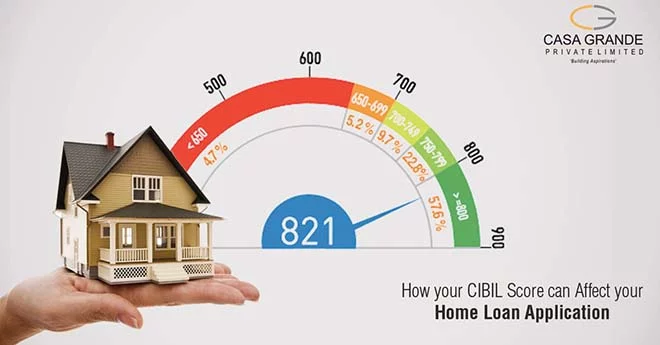
When refinancing a mortgage, lenders assess your credit score as a snapshot of your financial reliability. Your credit history communicates whether you’re likely to pay on time and manage debt responsibly.
- High credit score: Suggests reliability, improving eligibility and securing lower interest rates.
- Low credit score: Signals higher risk, often resulting in higher rates or outright denial.
Your credit score affects eligibility, interest rates, and loan terms. Even if you technically qualify for a refinance, a low score could cost thousands over the life of the loan.
Data Point: According to Rocket Mortgage, borrowers with excellent credit (740+) can save up to $100,000 over a 30-year mortgage compared to those with “fair” credit (620–639).
Credit Score Requirements for Refinancing
Different refinance programs have varying credit score thresholds. Here’s a breakdown:
| Refinance Type | Typical Credit Score Requirement |
| Conventional refinance | 620+ |
| FHA refinance | 580+ minimum |
| VA/USDA refinance | Varies by lender, often 620+ |
| Jumbo loans | 700+ |
| Cash-out refinance | 620+ for conventional; FHA/VA may allow lower scores with sufficient equity |
While meeting minimums gets your foot in the door, top rates are usually reserved for scores above 740.
Example: Two homeowners want to refinance a $300,000 mortgage. One has a 780 credit score, the other 620. The higher-score borrower may secure a rate 0.75% lower, saving nearly $1,800 per year and over $50,000 over the life of the loan.
How a Low Credit Score Can “Kill” Your Refinance
A low score doesn’t just reduce approval chances — it increases costs:
- Higher interest rates: Lenders charge more to offset perceived risk.
- Application denial: Falling below minimum thresholds may lead to rejection.
- Extra scrutiny: Low scores trigger close examination of debt-to-income ratio, home equity, and payment history.
- Limited program options: Cash-out refinances and jumbo loans typically demand higher scores.
Scenario: Maria has a 600 credit score. She qualifies for an FHA refinance, but her rate and fees barely lower her payment. A low credit score can turn a promising refinance into a financial dead-end.
How to Improve Your Credit Score Before Refinancing
Fortunately, you can take steps to repair and strengthen your credit:
- Review your credit reports: Obtain reports from all three bureaus (Equifax, Experian, TransUnion) and check for errors.
- Dispute mistakes: Inaccuracies, like incorrect balances or late payments, can depress your score unnecessarily.
- Pay bills on time: Payment history is the most critical factor (35% of your FICO score). Even a few months of on-time payments help.
- Reduce credit utilization: Keep balances under 30% of credit limits.
- Avoid opening new accounts before refinancing: Hard inquiries can lower your score.
- Use the right refinance program: FHA Streamline, VA, or USDA options may be better for lower credit borrowers.
- Wait if necessary: Improving your credit for 6–12 months can result in better rates and long-term savings.
Real-Life Examples of Credit Score Impact
John’s Refinance Turnaround
John’s score dropped to 620 after late credit card payments. Initial refinance offers were 1.2% higher than market rates. He focused on paying down debt, disputing errors, and setting up autopay. Six months later, his score rose to 685. John refinanced at a lower rate, reducing monthly payments and saving thousands over the life of his mortgage.
FHA Streamline Saves Sarah
Sarah had a 590 score but strong payment history. Using FHA Streamline, she bypassed stricter underwriting and secured a lower rate. Choosing the right program for your credit profile can turn an unqualified situation into a win.
Mistakes to Avoid When Refinancing With Low Credit
- Accepting a barely-qualified refinance: High rates and fees can make the refinance pointless.
- Ignoring credit repair opportunities: Even minor improvements can lower rates significantly.
- Choosing the wrong program: Not all refinance options suit low-credit borrowers; selecting the wrong path can cost thousands.
Step-by-Step Plan to Improve Refinance Chances
- Order credit reports — review for errors and outdated information.
- Dispute inaccuracies — remove incorrect negative items quickly.
- Reduce revolving debt — focus on credit cards and lines of credit.
- Pay bills on time — set up autopay for all accounts.
- Monitor credit progress — track scores monthly for improvements.
- Compare refinance options — conventional, FHA, VA, USDA.
- Check DTI and equity — ensure manageable debt levels and strong home equity.
- Apply strategically — avoid multiple applications simultaneously to prevent score dips.

Frequently Asked Questions (FAQs)
1. What is a “good” credit score for refinancing?
Typically 620–680 for conventional loans; 740+ is ideal for the best rates.
2. Can I refinance with a credit score of 580?
Yes, usually through FHA refinance programs. Conventional lenders generally require 620+.
3. Will refinancing hurt my credit score?
It may cause a small temporary drop due to a hard inquiry, but long-term savings usually outweigh this impact.
4. Are there refinance options for people with “bad” credit?
Yes — FHA, VA, and USDA programs are designed for lower credit borrowers with strong payment history and sufficient equity.
5. How much can credit score affect monthly payments?
Large differences exist — excellent credit can secure rates significantly lower, saving tens of thousands over 30 years.
6. How long until I can refinance if my credit is poor?
6–12 months may suffice if repairs are minor; severe damage may require longer.
7. Does home equity offset low credit scores?
Equity helps but does not completely overcome poor credit. Strong equity may make certain refinance options more viable.
8. What else do lenders look at besides credit score?
Debt-to-income ratio, loan-to-value ratio, payment history, income stability, and property appraisal.
9. Should I refinance if my credit temporarily drops?
Yes — temporary dips are minor; long-term savings from lower rates typically outweigh short-term impacts.
10. What’s the biggest mistake low-credit borrowers make when refinancing?
Accepting a high-rate refinance without exploring credit repair or programs tailored to their situation.
Final Thoughts
A low credit score doesn’t doom your refinance plans, but ignoring it can turn a promising opportunity into a costly mistake. With strategic credit repair, smart selection of refinance programs, and patience, you can improve your credit and secure lower rates that save thousands.
Think of your credit as a financial reputation you can rebuild. With effort and careful planning, you can approach refinancing confidently — often with results far better than expected.
–xxx–
Video Link-https://www.youtube.com/watch?v=KAtEiCyNDmo