


Many homeowners assume that refinancing to a lower interest rate automatically saves money—but that’s not always true. This article reveals the real financial mechanics behind refinancing, including amortization resets, lifetime interest costs, equity erosion, PMI implications, and loan-term consequences. Using real-life examples and relatable explanations, it shows when refinancing truly saves money—and when a lower rate actually results in higher long-term expense.
Refinancing has been presented as a financial life hack: “If rates drop, refinancing is a no-brainer.” But in reality, refinancing is one of the most misunderstood financial decisions homeowners make. Most people focus on the simplest part: the monthly payment. But mortgages are long-term, interest-driven financial structures. And when you reboot your loan… you reboot the interest clock.
This article breaks down the real math, with practical examples, emotional context, and homeowner scenarios that will help you understand whether refinancing is smart — or a hidden financial setback.
Do Lower Rates Always Mean Savings? The Misleading Logic
Here’s the problem with how people judge refinancing:
They compare:
- Current monthly payment
vs. - New monthly payment
If new is lower, they think:
“I’m saving money!”
But in the refinancing universe:
Lower monthly payment ≠ lower total cost.
The REAL question is:
- How much total interest am I going to pay over the entire lifetime of this new loan?
Because small monthly reductions can disguise large lifetime cost increases.

How Amortization REALLY Works — The Key Nobody Explains
Mortgages are front-loaded with interest.
- In the early years — MOST of your payment goes to interest
- Later in the term — MORE of your payment goes to principal
When you refinance, especially late in your mortgage:
You reset the clock.
You go back to:
- High interest
- Low principal
- Minimal equity acceleration
Homeowners often don’t realize they’re walking right back into the interest-heavy years.
Real-Life Example: The Hidden Cost of “Lower Monthly Payment”
Let’s examine Stephanie’s situation:
- Original rate: 6.1%
- Years already paid: 9
- Remaining years: 21
- Refinanced into: new 30-year loan
- New rate: 5.3%
- Monthly payment savings: $171
Stephanie was thrilled — at first.
But…
By restarting to a new 30-year term:
She extended her payment horizon by 9 more years
and increased her total interest by over $46,000.
She thought she won the game…
But she secretly added another financial anchor around her future.
When DOES a Lower Rate Actually Save Money?
A lower rate CAN be beneficial — but only under the right conditions:
You should refinance if:
- You shorten the term (30 → 20 or 15)
- You refinance early (first 5–7 years)
- You eliminate PMI
- Your credit score has improved significantly
- You plan to stay in the home long-term
- The new interest cost over life is LOWER than current remaining interest
Not just the monthly payment.
Not just the rate.
Not just the feel-good psychology.
The Break-Even Point — The MOST Ignored Metric in Refinancing
Every refinance includes fees:
- Appraisal
- Origination
- Underwriting
- Processing
- Document charges
- Title fees
- Rate-lock fees
Average refinance cost: $4,000 – $9,000
So the first question should be:
“How long until my refinance savings overcome my refinance costs?”
Example:
- You save $180/month
- Refinance cost = $6,000
- Break-even time = 33 months
That means if you:
- sell
- move
- refinance again
- or pay off early
before 33 months…
You actually LOSE money.
How Lenders Sell Refinancing Emotionally (Not Mathematically)
They highlight:
“We can lower your monthly payment!”
They do NOT highlight:
“You will add X more years of debt.”
“You will pay X more total interest.”
“You are restarting your amortization cycle.”
“You’re losing equity acceleration momentum.”
Because lenders profit from:
- More interest time
- More debt duration
- More refinancing churn
- More origination fees
They are not your mortgage mentors.
They are mortgage sales professionals.
The PMI Trap — The Sneaky Killer of Refinance Savings
PMI (Private Mortgage Insurance) is paid when:
- you have less than 20% equity
Example:
- PMI = $240/month
If you refinance…
and PMI remains…
Your reduced payment may be:
- entirely negated
- or even worse
- you may actually spend more
Sometimes the smarter move is:
→ DON’T refinance
→ Just wait until you naturally reach 20% equity
→ Then request PMI cancellation
WITHOUT refinancing at all.
Credit Score & Refi Reality — Your Rate May Not Be the Advertised Rate
Lower advertised rate ≠ the rate YOU get.
Two borrowers walk in:
- Borrower A: 780 FICO
- Borrower B: 690 FICO
Advertised rate: 5.00%
Reality:
- Borrower A: 4.85%
- Borrower B: 5.75%
Your refinanced rate depends on:
- credit score
- debt-to-income ratio
- loan-to-value
- income history
- employment profile
So even if rates drop…
YOUR rate may barely move.
Ask These Questions Before Refinancing (Smart-Borrower Checklist)
- What is the total lifetime interest of my current mortgage?
- What is the total lifetime interest of the refinance loan?
- Will the refinance extend my loan payoff date?
- What is my break-even time frame?
- Does refinancing eliminate PMI?
- Will this reset my amortization schedule?
- Am I refinancing for stability — or short-term relief?
- Is refinancing a math-based decision — or an emotional one?
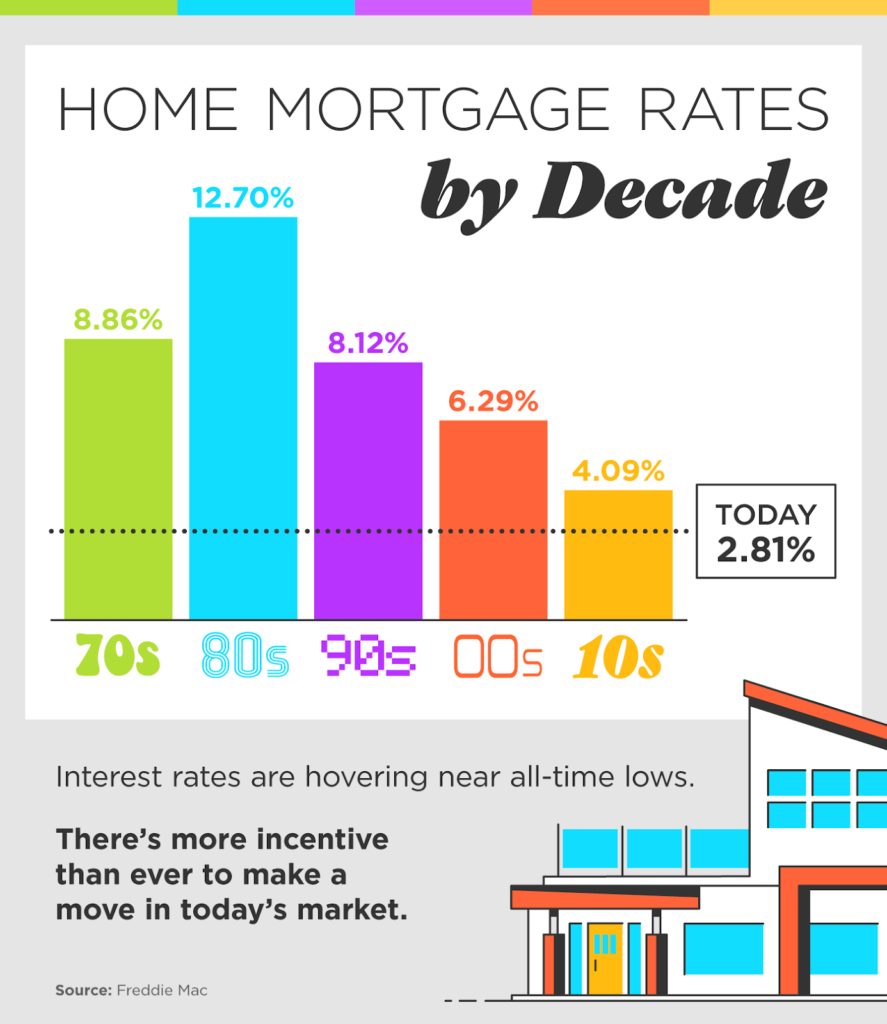
10 FAQs — Real Questions Homeowners Are Asking Today
1. Does a lower rate always save money?
No — if the refinance increases total interest or extends the loan period.
2. Should I refinance if I’m 10–15 years into the mortgage?
Only if shortening the term or eliminating PMI — NOT if restarting a 30-year term.
3. What is the most important factor — rate or total interest?
Total interest over time — that’s where real savings live.
4. Can refinancing hurt my equity growth?
Yes — extended interest repayment slows principal reduction and delays equity.
5. How do I check if refinancing is worth it?
Perform a break-even analysis and lifetime interest comparison.
6. Should I refinance if I plan to move soon?
No — you won’t recoup refinancing costs in time.
7. Is cash-out refinancing riskier?
Yes — it increases debt burden and reduces home equity.
8. Do lenders mislead borrowers?
They legally disclose things — but emotionally emphasize monthly payment, not total cost.
9. Can refinancing extend mortgage into retirement years?
Yes — this is a silent financial trap many seniors fall into.
10. What is the #1 rule for smart refinancing?
Never refinance emotionally. Always refinance mathematically.
Final Takeaway: Refinancing Should Speed Up Your Financial Freedom — Not Delay It
A lower rate may look attractive.
A lower monthly payment may feel comforting.
But refinancing is not about short-term financial comfort — it’s about long-term financial outcome.
Always ask:
- Does this refinance shorten my debt life — or extend it?
- Does it accelerate equity — or slow it?
- Does it reduce interest — or compound it?
- Does it make me freer — or more indebted?
Homeownership is a wealth-building journey.
Your refinancing decision should bring you closer to owning your home outright — not push that day further away.