
Personal loans are one of the fastest-growing forms of debt in America, but they’re also among the most misunderstood and regretted. Borrowers often don’t realize how interest compounding, loan term manipulation, and psychological marketing tactics lead to long-term financial strain. At first, personal loans feel like relief. Later, they can feel like a financial chokehold.
This is not a generic warning — it’s a reality seen in millions of households across the country.
Personal Loans: A Lifeline… or a Lure?
Most borrowers don’t take a personal loan because they want to — they do it because they feel they have to. There’s a sudden expense, a financial emergency, a medical bill, a car breakdown, a family need. In that moment of pressure, personal loans appear as salvation.
The messaging is seductive:
- “Instant approval!”
- “Fast deposit!”
- “No collateral!”
- “Affordable monthly payments!”
And that phrase — “affordable monthly payments” — is one of the most powerful psychological traps in lending.
Borrowers think:
“If I can afford the monthly payment, everything will be fine.”
But they rarely consider:
“How much will I have actually paid by the end?”
What Borrowers Think They’re Paying vs What They Actually Pay
If someone borrows $10,000 at 14% for 5 years, they aren’t paying $10,000 back — they’re paying over $14,000.
But lenders emphasize the monthly number.
For example:
Loan A:
$10,000
$210/month
60 months
Total repayment: $12,600
Loan B:
$10,000
$175/month
84 months
Total repayment: $14,700
Borrowers pick Loan B because the monthly payment is lower —
even though the total repayment is $2,100 more.
This is the same psychological trick used in car financing and mortgages: extend the term → obscure the cost.
The Emotional Timeline of Loan Regret
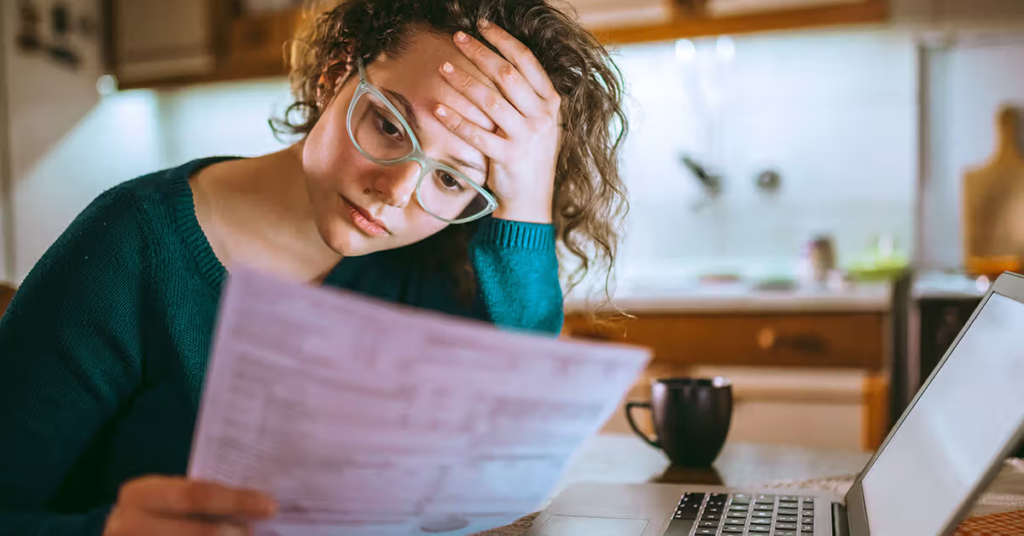
People don’t regret personal loans immediately. The regret sets in later, through a very predictable emotional sequence:
- Urgency
“I need money now.” - Relief
“I was approved!” - Comfort
“I can handle these payments.” - Inconvenience
“This is annoying but manageable.” - Stress
“This is tighter than I thought.” - Regret
“I wish I hadn’t borrowed this.” - Financial strain
“I’m stuck with this debt.”
Personal loans create emotional debt as much as financial debt.
Real-Life Example: The Arizona Borrower Who Paid for His Loan Twice
A man in Phoenix took out a $7,500 personal loan for emergency dental treatment. His payment was $210 a month — manageable.
But:
- Interest rate: 21%
- Repayment duration: 48 months
- Total repayment: $10,080
He paid $2,580 in interest — money that earned NO value in his life.
After paying for two years, he said:
“It felt like I was renting my own money.”
The Hidden Layers of Personal Loan Expense
Visible cost:
- Principal
- Interest
Hidden cost:
- Origination fees
- Service fees
- Payment processing fees
- Late penalties
- Prepayment penalties
- Insurance upsells
- Credit score impacts
These micro-charges are designed to be invisible until they accumulate.
And what’s worse — lenders are legally protected by disclosure language that borrowers do not read.
The Biggest Unseen Risk: Loan Stacking
One personal loan leads to another.
Then another.
This is how Americans end up with:
- one loan from a bank
- one from a digital loan app
- one from a credit union
- one from a peer-lending site
- multiple credit cards
Each feels manageable in isolation.
Together, they form a debt prison.
This is how borrowers sleepwalk into financial entanglement.
Credit Score Consequences That Last Years
Personal loans impact your credit deeply and sometimes permanently.
Effects include:
- Hard credit inquiry
- Increase in total debt
- Increase in monthly obligations
- Payment history dependency
- Late payment reporting
One late payment can reduce a FICO score by 60–100 points.
And a delinquency stays on credit reports for 7 years.
A borrower may eventually pay off the loan —
but the credit damage remains.
Are Personal Loans Better Than Credit Cards? Not Always.
Borrowers often ask:
“Isn’t a personal loan better than putting it on a credit card?”
The answer?
It depends.
Example:
Credit card:
- 22% interest
- Paid off in 6 months
- Total cost: ~$600 interest
Personal loan:
- 12% interest
- Paid off over 5 years
- Total cost: ~$3,600 interest
The interest RATE matters.
But the repayment DURATION matters more.
Your debt is not just what you pay —
it’s how long you pay.
Why Lenders Encourage Long-Term Loans
Lenders don’t care about your monthly budget —
they care about their lifetime interest earnings.
Lenders profit when you:
- extend loan terms
- refinance repeatedly
- skip payments
- accumulate interest
- increase dependency
- renew loans
- borrow more
Borrowers think lenders want them to pay off loans.
Wrong.
Lenders want borrowers to stay in debt —
but never default.
Personal Loans and Bankruptcy — The Hidden Link
Bankruptcy attorneys often report:
“Personal loans and medical bills are the most common triggers of bankruptcy filings.”
Borrowers collapse financially when:
- income decreases
- expenses increase
- debt payments overwhelm them
- interest compounds
- emergency expenses arise
- loan stacking backfires
Many debtors eventually stop juggling payments —
they shut down altogether.
So When SHOULD Someone Take a Personal Loan?
Sometimes loans are necessary — but only under strict conditions:
Use a personal loan ONLY IF:
- the expense is critical, not optional
- total repayment cost is understood
- repayment is sustainable
- alternative funding is unavailable
- short-term repayment is possible
- interest rate is reasonable
Better alternatives may include:
- negotiating payment plans
- reducing immediate expenses
- using emergency savings
- asking for family assistance
- employer advance programs
- 0% promotional financing
- credit union micro-loans
Borrowing should be a last choice —
not a default reflex.
10 Frequently Asked Questions Americans Ask About Personal Loans
1. Is a personal loan a bad idea?
Not always — but it often becomes one due to interest burden and long repayment periods.
2. How high is a typical personal loan interest rate?
Anywhere from 8% to 30% depending on credit.
3. Do personal loans hurt credit scores?
Yes — especially at origination and if payments are late.
4. Should I use a personal loan to consolidate debt?
Only if the new interest + term = less total repayment.
5. What’s worse — personal loans or credit cards?
Either one can be worse depending on duration and interest.
6. Can I renegotiate a personal loan?
Sometimes — especially with credit unions.
7. Is there a penalty for paying off early?
Some lenders charge early-repayment penalties.
8. Can personal loans improve my credit score?
If paid on time consistently — yes.
9. Why do borrowers regret personal loans?
Because monthly payments disguise total repayment cost.
10. What’s the safest borrowing mindset?
Borrow only for needs — never for convenience or lifestyle inflation.
Final Perspective — Borrowing Isn’t Bad. Borrowing Blind Is.
Personal loans are not inherently evil.
They are tools.
But tools can harm when misused.
Borrowers often enter loans with optimism:
“I’ll pay this off quickly.”
But life interferes:
- layoffs
- car repairs
- health emergencies
- inflation
- rising rent
- family needs
And suddenly that “quick loan” becomes a 3–5 year shackle.
The strongest financial strategy is not learning how to borrow better —
it is learning how to need borrowing less.
Build security through:
- savings discipline
- emergency funds
- spending control
- income diversification
- financial literacy
Borrowing gives temporary relief.
Financial responsibility gives permanent stability.