
The U.S. housing market in 2025 is undergoing a quiet transformation. After years of price surges, slowing appreciation, rising inventory, and shifting buyer sentiment are combining to make homes more affordable. Whether you’re a first-time buyer or an investor, understanding why your next home might cost less could help you make a smarter, more strategic purchase.
The Surprising Shift: Are Home Prices Finally Cooling Down?
After an unprecedented run-up between 2020 and 2023, U.S. home prices are stabilizing — and in some cases, falling.
According to Zillow’s 2025 Housing Forecast, national home values are projected to grow only +0.9% this year — nearly flat compared to prior double-digit gains. Meanwhile, price cuts on listings have reached their highest levels in nearly a decade.
(Realtor.com, 2025)
Even big banks are signaling moderation: J.P. Morgan Research estimates that 2025 home-price growth will hover around +3%, compared to the +15% spikes seen just two years ago.
(JPMorgan.com)
In other words, the “housing frenzy” has cooled — and for buyers, that could mean one thing: leverage is quietly returning to your side.
Why Your Next Home Could Cost Less in 2025
There isn’t just one cause behind this market reset — several powerful forces are aligning to make home-buying conditions more favorable than they’ve been in years.
🔹 1. Mortgage Rates Are Slowing Demand
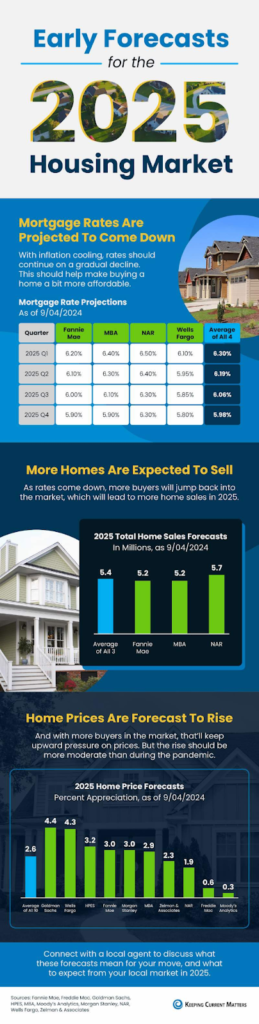
While 30-year fixed rates have hovered between 6% and 6.5%, they’ve effectively priced out many would-be buyers. Fewer buyers = less competition = better deals for those who remain in the market.
Translation: Sellers are now more open to negotiation, concessions, and even covering closing costs.
🔹 2. Inventory Is Growing Again
After years of shortage, the market is seeing more listings — especially in mid-tier metros.
Zillow reports that active listings increased year-over-year across most U.S. regions in 2025.
This shift helps curb the bidding wars that once sent prices skyrocketing.
🔹 3. Economic Uncertainty Has Tempered Buyer Enthusiasm
Inflation concerns, job-market jitters, and fears of a “soft landing” economy have made buyers more cautious. Many are pausing to wait for better deals, which further cools demand.
🔹 4. Regional Price Corrections Are Already Here
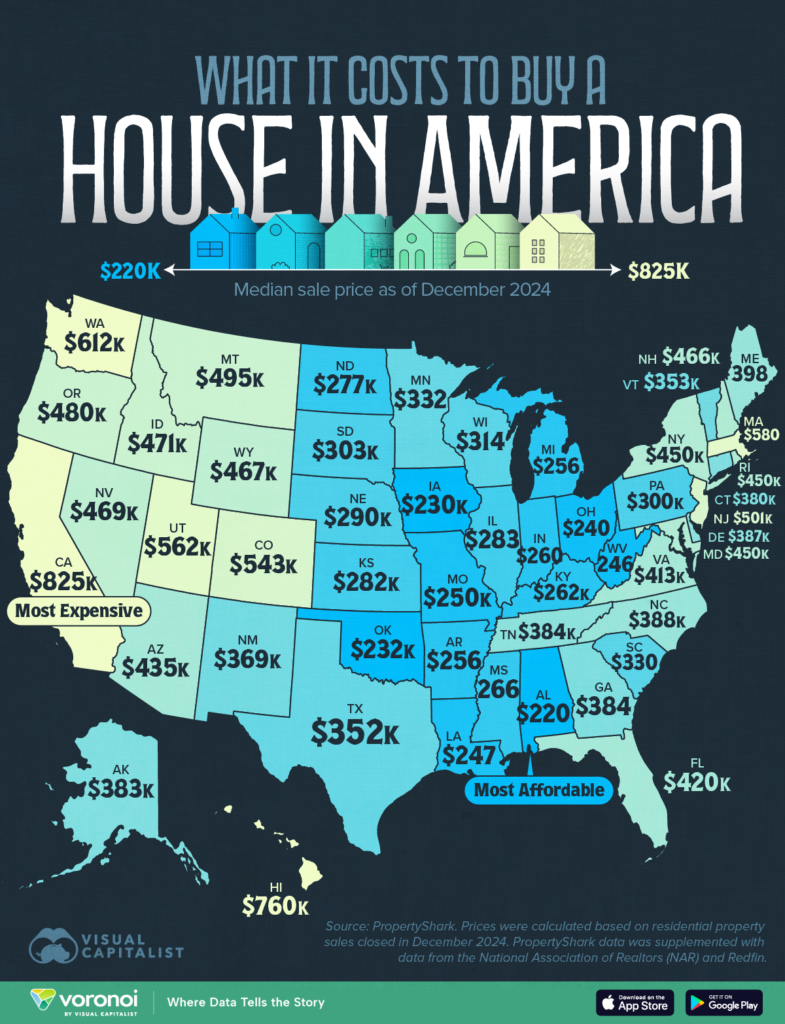
While cities like Miami and Austin continue to see modest price growth, others such as Phoenix, Denver, and Salt Lake City are witnessing flat or even slightly declining prices.
In May 2025, over 20% of listings nationally had price cuts, the highest in several years.
(Realtor.com Data, 2025)
Real-Life Example: How Buyers Are Winning Again
Meet James, a first-time homebuyer in Phoenix. In 2024, he was consistently outbid by investors offering all cash. By mid-2025, the story had flipped.
This year, when he returned to the market, James noticed fewer bidding wars and more listings with 5–8% price reductions.
Armed with patience and data, he negotiated a 4% discount below asking — something that was virtually impossible just two years ago.
Similarly, Karen and Mark in the Midwest bought their dream home this spring. In 2023, every offer they made was met with multiple bids. In 2025, they found a motivated seller who included closing cost coverage and accepted their first offer.
Lesson: In 2025, patience pays. The tide has shifted from panic-buying to smart, data-informed decision-making.
Where Are Prices Cooling Fastest?
While national averages are helpful, real estate is local — and the cooling is uneven.
Here’s where affordability is improving most:
- Sunbelt Metros: Phoenix, Tampa, Austin, and Las Vegas are leading the slowdown with more listings and price reductions.
- Midwestern Cities: St. Louis, Kansas City, and Cleveland are stable and relatively affordable compared to coastal hubs.
- Suburban Areas: Secondary suburbs around Denver, Seattle, and Atlanta are seeing more inventory as remote work patterns evolve.
Pro Tip: Look for homes that have been on the market 60+ days — these sellers are statistically twice as likely to accept price concessions or offer incentives.
What This Means for You as a Buyer
For years, Americans were conditioned to “buy fast or lose out.” In 2025, that pressure is easing.
Now, buyers enjoy:
- More time to decide
- More negotiating power
- More options to compare
- And in some cases — better deals
You may not see prices crash, but you’ll likely find homes at fairer valuations, with sellers more willing to meet you halfway.
Actionable Checklist for Buyers in 2025
Use this 7-step guide to make your next purchase smarter and cheaper:
✅ 1. Track local data – Watch “Days on Market” and “Price Reduction” metrics for your city.
✅ 2. Get pre-approved early – You’ll move faster when the right deal appears.
✅ 3. Be open to secondary markets – Smaller metros often hold better value.
✅ 4. Time your offers – Properties listed for 45+ days are ripe for negotiation.
✅ 5. Ask for concessions – Closing costs, home warranty, or upgrades — sellers are saying yes more often.
✅ 6. Research builder incentives – New-home developers are offering discounts and rate buydowns.
✅ 7. Don’t chase “perfect timing” – The best time is when the math works and the home fits your life.
10 Frequently Asked Questions About Falling Home Prices in 2025
1. Will home prices really fall in 2025?
Yes — in many markets, prices are flattening or slightly declining. Zillow projects less than 1% growth nationwide.
2. Are housing prices dropping everywhere?
No. Some regions (like Florida and Texas metros) remain resilient due to demand, but Western and Mountain states are seeing softening.
3. Is this a housing crash?
Not at all. Economists call this a “normalization,” not a crash. Prices are adjusting after an unsustainable boom.
4. Why are so many sellers cutting prices now?
Because listings are sitting longer, and competition among sellers has increased. Buyers are fewer, so sellers must stay competitive.
5. Should I wait for bigger price drops?
Waiting can help — but if mortgage rates fall, demand (and prices) could rebound quickly. Balance timing with affordability.
6. How are mortgage rates affecting affordability?
Higher rates limit purchasing power, which cools demand and indirectly lowers prices. When rates drop, prices often rebound.
7. Will new homes get cheaper too?
Yes — builders are offering more incentives and price adjustments as new-home inventory grows faster than buyer demand.
8. How can I find areas with the biggest price cuts?
Use Realtor.com, Zillow, or Redfin filters for “Price Reduced” or “Days on Market > 45.” Compare markets monthly.
9. Is now a good time for first-time buyers?
Yes, especially if you’re flexible on location. Less competition and more choices make 2025 friendlier for entry-level buyers.
10. Will home values still grow long-term?
Historically, yes. While short-term growth is slowing, long-term real estate appreciation remains strong — especially in job-rich metros.
Looking Ahead: What’s Next for the Housing Market?
Analysts expect a “soft landing” for real estate — meaning a gradual stabilization rather than a sharp downturn.
More balanced market conditions are emerging where both buyers and sellers benefit: fairer pricing, manageable rates, and better transparency.
According to Cotality’s June 2025 Market Insight, U.S. home-price growth is trending at just 2%, marking the slowest annual increase since 2019 — a clear sign the frenzy has cooled.
(Cotality.com, 2025)
For buyers who missed out in 2022–23, this could be the best opportunity window in years.
Final Thoughts
The U.S. housing market in 2025 is no longer a seller’s game.
With rising inventory, cautious buyers, and stabilizing prices, the power dynamic has shifted. Your next home could cost less, not because of a market crash — but because the frenzy is fading.
Whether you’re buying your first home or upgrading, the next 12 months offer a rare blend of opportunity and balance. So get your financing ready, watch the data, and remember — in 2025, patience and timing may be the keys to unlocking real savings on your next home.