

Taking out a personal loan can be a smart way to handle emergencies, consolidate debt, or temporarily ease financial stress. But that same loan can quickly morph into a toxic burden if you misunderstand the terms or mismanage the repayment. This article reveals the most common borrower mistakes — including emotional borrowing, interest miscalculations, overlooked fees, and contract traps — and warns you how to avoid turning a simple loan into a crippling financial setback.
The Loan That Starts Innocently — and Ends Terribly
Most people don’t begin their personal-loan journey recklessly. They start with rational reasons — a short-term cash gap or a genuine financial need.
Common reasons borrowers turn to personal loans include:
- medical or dental treatments
- car repairs
- emergencies and unexpected bills
- rent or relocation costs
- debt restructuring
The difference between the borrowers who succeed with loans and those who suffer from them comes down to one question:
Are you borrowing strategically — or emotionally?
Many people make the mistake of focusing solely on one number:
the monthly payment.
They overlook the more important question:
“What is the total cost of this loan?”
And that mistake alone can be the difference between temporary relief and long-term financial strain.

1. Borrowing Emotionally Instead of Rationally
This mistake is universal and deeply human.
When borrowers are:
- stressed
- anxious
- ashamed
- desperate
…they stop thinking like accountants and start thinking like survivors.
Real-life example:
A man in Tennessee borrowed $10,000 after an emotionally painful breakup. Instead of using the loan for essentials, he used it to buy a motorcycle, upgrade his wardrobe, and take a healing vacation — a short-term lifestyle revival that led to months of financial regret.
He didn’t borrow for a need.
He borrowed for a feeling.
Borrowing emotionally is like buying calm today by sacrificing stability tomorrow.
2. Ignoring the Total Cost — Only Looking at Monthly Payments
This is the trap lenders expect borrowers to fall into.
Someone thinks:
“$215 per month — I can afford that.”
But what they rarely think is:
“How much am I paying in total over the life of the loan?”
Example:
- Borrow: $8,500
- 48-month term
- ~11–15% interest
Total repayment: $10,300 – $11,200+
That extra $1,800–$2,700 isn’t the loan — it’s the interest tax on impatience.
3. Missing One Payment — And Triggering Financial Avalanche
You might assume:
“One payment can’t destroy me.”
But it can.
Even a short delay can:
- damage your credit
- trigger a higher APR
- activate penalty fees
- increase interest compounding
Real borrower example:
A woman in Orlando had auto-pay connected to a debit card that expired. She failed to update it on time. A three-day delay:
- added late penalties
- triggered a risk-linked APR increase
- permanently elevated her loan cost
She paid far more — all because of a technical oversight.
4. Trusting Advertised APR Instead of Reading Actual Terms
Loan advertisements are marketing.
Contracts are reality.
A promoted 9.9% APR might:
- apply only for the first 60 days
- increase based on risk scoring
- change if your credit drops
- shift if your income changes
- adjust if payments are delayed
- recalculate after a single transaction issue
Teaser APR is not guaranteed APR.
Borrowers who don’t read the full contract may find themselves paying DOUBLE what they expected.
5. Overlooking Origination Fees, Service Charges, and Penalties
It’s not just interest.
You may encounter:
- origination fees
- documentation fees
- funding fees
- servicing fees
- “payment handling” fees
- ACH rejection fees
- prepayment penalties
- interest recapture penalties
Many borrowers never notice these.
They only look at:
- the loan amount
- the monthly payment
…and ignore:
- the silent additional charges
This leads to a budget structure that cracks over time.
6. Borrowing for Non-Essential or Depreciating Assets
One of the worst decisions is taking out a personal loan for:
- vacations
- entertainment
- clothing
- furniture
- electronics
- lifestyle upgrades
These items lose value quickly — but the debt remains rigid.
Borrowing for appearance or pleasure creates financial hangovers.
7. Choosing Long-Term Loans to Make Payments “Easier”
Borrowers think:
“If I choose a 60-month loan, the payments will feel smaller.”
The truth:
- smaller monthly payment
- much larger total repayment
Example:
Loan: $10,000
APR: 12%
- 36 months → ~ $11,950 total
- 60 months → ~ $13,350 total
That’s $1,400 extra, just for wanting smaller payments.
You didn’t reduce cost.
You postponed pain.
8. Borrowing Without a Clear Repayment Strategy
Here’s a hard truth:
A loan without a repayment plan isn’t a solution — it’s a gamble.
Borrowers often assume:
“Something will work out.”
But money is not magic.
Debt does not solve itself.
Loans do not repay themselves.
Before borrowing, you should know:
- repayment schedule
- buffer margin
- cash-flow source
- backup fund
- emergency fallback
- discipline rules
Without these — a loan becomes a long-term financial stressor.
9. Loan Stacking — The Slow Motion Financial Collapse
This happens when someone responds to loan stress with… another loan.
Sequence often looks like:
- Loan A taken → feels manageable
- Loan B taken → to cover Loan A
- Loan C taken → to “smooth out” payments
- Credit cards used → for leftover expenses
Eventually, the borrower is juggling:
- multiple due dates
- multiple penalties
- multiple interest lines
This creates a financial chokehold.
10. Treating a Loan Like Free Money Instead of a Binding Obligation
Here’s one of the most dangerous mindsets:
“This loan gives me freedom.”
No — it gives you temporary liquidity in exchange for future restriction.
Loans are not relief.
They are time-shifted responsibility.
Borrowers who treat loans casually end up paying painfully.
How to Avoid Turning a Loan Into a Budget Nightmare
Here are protective principles to borrow with intelligence, not emotion:
- Borrow only for needs, not impulses
- Calculate total loan cost, not just the monthly number
- Choose fixed APR whenever possible
- Avoid long-term loans solely for smaller payments
- Build an emergency reserve for payment disruption
- Never ignore auto-pay changes or expired cards
- Ask about penalties and interest escalation triggers
- Decline loans with vague or manipulative contract language
- Don’t borrow when emotionally distressed
- Always walk away if anything feels “off”
Borrowing should be intentional — never reactionary.
10 Most-Asked Questions About Personal Loan Pitfalls
1. Why do personal loans often end up costing more than the borrower expects?
Because interest rates, fees, and penalties accumulate over time, especially on longer terms.
2. Can a single late payment really increase interest rates?
Yes. Many modern loan contracts allow APR hikes after one delinquency.
3. Is a personal loan bad for my credit?
Not necessarily — consistent on-time payments can improve your credit score.
4. Should I choose a longer term to reduce monthly payments?
No — unless necessary. Longer terms significantly increase total cost.
5. How do lenders make dangerous loans look appealing?
By highlighting low monthly payments and hiding costly conditions in the fine print.
6. Can I negotiate or request a lower APR?
Yes. Especially if you have favorable financial behavior or competing offers.
7. Should I ever take a loan for lifestyle purchases?
Generally no — unless you can repay immediately and responsibly.
8. What if I lose my job during repayment?
Some lenders offer hardship programs — but ask BEFORE borrowing.
9. Is a credit union loan safer than a fintech-app loan?
Usually yes. Credit unions are more regulated and compassionate.
10. What’s the smartest mindset when approaching debt?
Assume every borrowed dollar will cost more tomorrow — and plan accordingly.
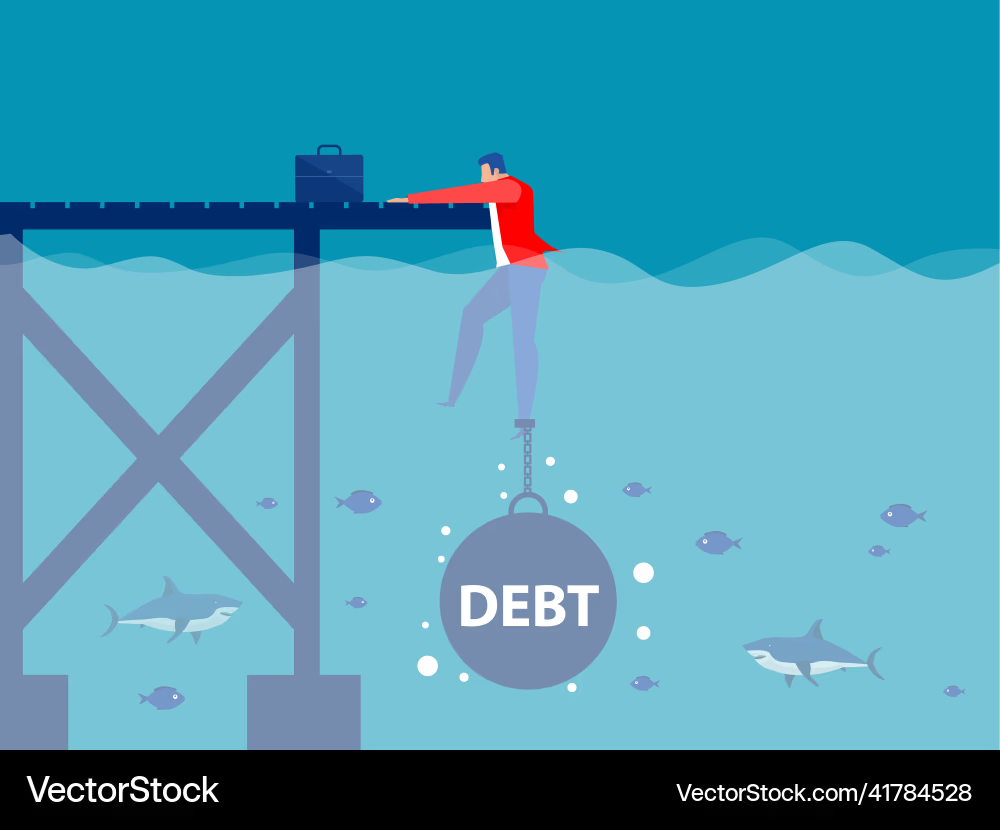
Final Thought: A Loan Is Not Just Money — It’s a Commitment
A personal loan can be a financial tool — or a financial trap.
Borrowing responsibly requires clarity, discipline, foresight, and self-awareness.
If you treat debt seriously…
Debt will respect you.
If you treat debt casually…
Debt will crush you.
Borrow with wisdom — not desperation.
Your future self will thank you.
–xxx–
Video Link-https://www.youtube.com/watch?v=fG4Y_lw9qZw