

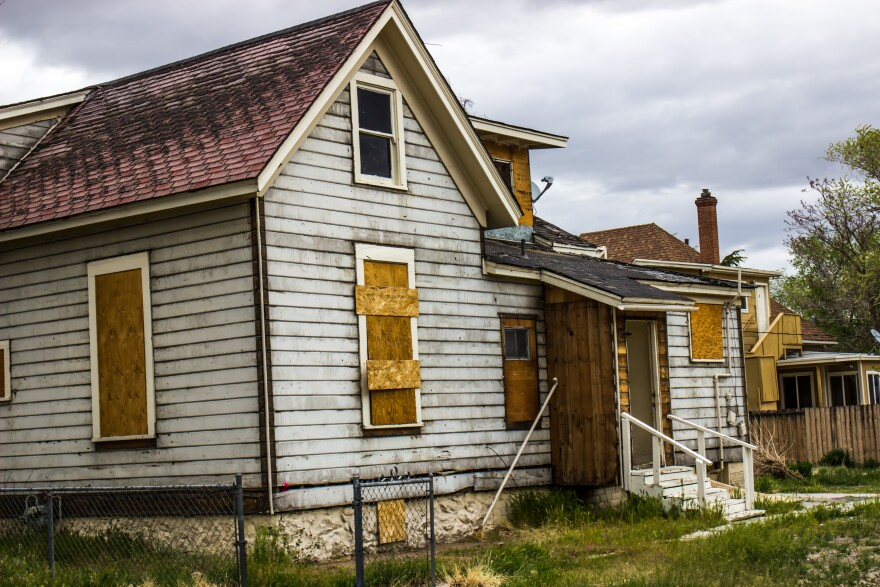
Foreclosures across the U.S. are rising again after years of historic lows, prompting renewed fears of a housing crash in 2026. With delinquency rates climbing, insurance premiums skyrocketing, home affordability at a breaking point, and pandemic-era protections gone, many households are struggling to keep up. This in-depth report examines why foreclosures are increasing, the regions most at risk, and whether a 2026 crash is truly looming.
Introduction
For more than a decade, the U.S. housing market has experienced extreme highs—from record-low interest rates to unprecedented bidding wars. But in 2025, conditions began shifting, and by 2026, something unmistakable is happening: foreclosures are rising again, and fast enough to capture national attention.
This marks a dramatic change from the last decade, when foreclosure rates hovered near historic lows thanks to tight lending standards, home equity gains, and government protections during COVID-19. But today’s homeowners face a very different set of pressures—ones that echo economic warning signs many hoped to avoid.
Americans are now asking:
“Are foreclosures the first signal of a 2026 housing crash?”
The answer isn’t simple. Much like 2008, we’re seeing financial strain. But unlike 2008, the causes are far more complex—and far less predictable.
This long-form guide breaks down exactly what’s driving foreclosure growth, which regions are most at risk, how 2026 could unfold economically, and what homeowners, buyers, and investors need to do now.
1. Why Are Foreclosures Rising Again in 2025–2026?
Foreclosures rarely surge for a single reason. Instead, they rise when multiple financial vulnerabilities collide—and that’s exactly what’s happening now.
Major forces contributing to the increase include:
- Expiration of pandemic-era protections such as forbearance and foreclosure moratoriums.
- Mortgage rates between 6.5–7.5%, making refinancing nearly impossible for struggling homeowners.
- Soaring insurance premiums, especially in Florida, Texas, and California—some up 100% in two years.
- Record U.S. household debt, now topping $17.5 trillion.
- Rising credit card delinquencies, the highest in over a decade.
- Layoffs in tech, logistics, manufacturing, and retail, hurting high-cost regions the most.
- Property taxes climbing sharply in high-growth metros.
Real-Life Example
A family in Tampa bought a home in 2021 when their insurance cost $2,800 yearly. In 2024, their premium rose to $9,600, increasing their total monthly payment by more than 40%. Unable to refinance or sell quickly, they fell behind and entered pre-foreclosure. Their situation is becoming more common, especially in climate-risk states.
2. How Much Have Foreclosures Actually Increased?
Data from ATTOM’s 2025 Foreclosure Market Report shows that:
- Foreclosure filings are up 27% year-over-year
- Bank repossessions (REOs) rose 19%
- Serious delinquencies increased 14%
- First-time delinquencies are now the highest since 2019
While these numbers remain below Great Recession levels, the trend is what worries analysts. After a steady decline for nearly 10 years, the curve is now bending upward—rapidly.
Foreclosures are no longer an outlier. They are a pattern.
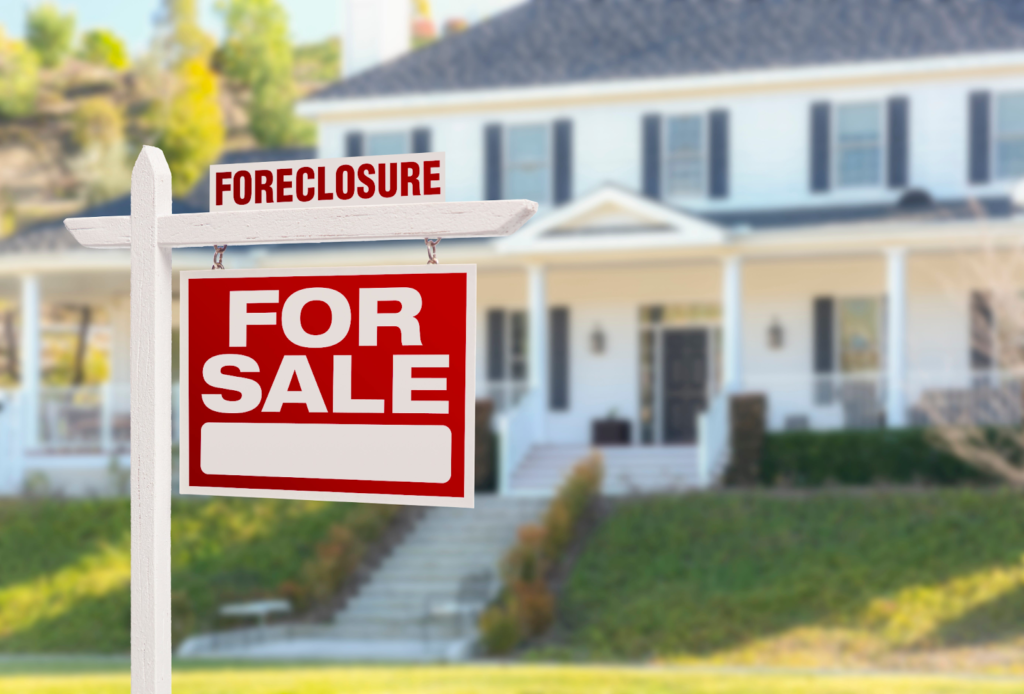
3. Is This the Start of Another 2008 Housing Crash?
This is the #1 question Americans are searching.
Short answer: No. But risks are growing.
Here’s why today is different from 2008:
- Homeowners today have far more equity—an average of 67%.
- Lending standards since 2010 have been strict.
- Subprime loans and risky adjustable mortgages are far less common.
- National housing inventory is still low, preventing massive price collapses.
- Banks hold more capital and are better regulated.
But today’s market also has NEW risks:
- Insurance premiums rising faster than mortgage payments
- Climate risk pushing insurers out of entire states
- Massive corporate investment in single-family homes
- Historically high consumer debt
- Stagnant wage growth compared to housing inflation
2008 was a credit crisis.
2026 may become a cost-of-living crisis that leads to housing distress.
4. Which States Are Experiencing the Highest Foreclosure Rates?
Foreclosure activity is not uniform. Some states are already showing signs of regional stress.
2025–2026 foreclosure hotspots:
- Florida — extreme insurance hikes + climate risk
- Texas — overbuilding in certain metros and rising taxes
- Georgia — high investor concentration and weakening rents
- Nevada — economic cooling and pandemic-era price overvaluation
- Illinois & Ohio — long-standing affordability and employment challenges
- California (Central Valley, Inland Empire) — price corrections meeting high living costs
Real-Life Example
In Houston, thousands of investors bought homes in 2021–2022 expecting high rental returns. By 2025, rents flattened while taxes and insurance soared. Investor delinquencies are now fueling foreclosure filings across multiple zip codes.
5. Why Are Sun Belt Markets Particularly Vulnerable?
During the pandemic, the Sun Belt attracted millions of new residents, hundreds of thousands of investor purchases, and enormous amounts of new construction. Now, the region faces:
Structural weaknesses contributing to rising foreclosures:
- Massive oversupply of new housing in metros like Austin and Phoenix
- Insurance volatility in Florida and coastal Texas
- Wage-to-home-price mismatch
- Slowdown in tech and logistics hiring
- Declining short-term rental revenues in tourist-heavy markets
- Heavy investor ownership leading to distressed sales
This doesn’t guarantee a crash—but it does indicate a sharper correction than elsewhere.
6. Could Rising Foreclosures Trigger a 2026 Housing Crash?
Economists warn that the answer depends on how multiple factors unfold.
A housing crash becomes possible if:
- Unemployment rises significantly
- Home prices fall 10–20% in several major markets
- Investor-owned homes hit the market in large quantities
- Insurance becomes unaffordable in more states
- Credit markets tighten
- A recession weakens buyer demand
A crash becomes less likely if:
- Mortgage rates decrease gradually
- Wage growth improves
- Inventory remains limited
- Equity cushions remain strong
- Investors stabilize rental markets
2026 is shaping up to be a correction year, but whether it becomes a crash depends on the broader economy.
7. How Are Investors Responding to Rising Foreclosures?
Investors, especially large institutional buyers, are adjusting strategies:
Key reactions include:
- Pausing new acquisitions
- Selling poorly performing properties
- Converting short-term rentals to long-term
- Targeting distressed homes in stable Midwest markets
- Prioritizing cash-flow stability over appreciation
If investors exit certain markets aggressively, this could accelerate price declines and additional foreclosures.
8. What Should Homeowners Do If They’re Struggling to Keep Up?
Foreclosure is not inevitable. Homeowners have multiple options, but timing is critical.
Homeowners facing payment difficulty should:
- Contact their loan servicer immediately
- Request loan modification or forbearance
- Explore refinance options if rates drop
- Apply for state-level homeowner assistance programs
- Consider a short sale before foreclosure
- Review all insurance and tax-saving options
- Get legal or financial counseling if needed
Thousands of foreclosures each year could have been avoided with early intervention.
9. Should Homebuyers Wait for a Crash Before Purchasing?
This question is trending nationwide.
Reasons NOT to wait for a crash:
- Inventory is still historically low in many markets
- Interest rates may fall, increasing competition
- Prices may not drop significantly in your local area
- Renting may be more expensive long-term
Reasons to wait strategically:
- Your market is experiencing rapid foreclosure growth
- Prices are already trending downward
- Investors are offloading properties
- Your financial stability is uncertain
Smart buying in 2026 isn’t about timing the bottom—it’s about finding the right local conditions.
10. What Does Rising Foreclosure Activity Mean for Sellers?
Sellers should be realistic:
The era of multiple offers within hours is over.
Sellers must now:
- Price competitively based on current comps
- Expect longer days on market
- Offer concessions (rate buy-downs, repairs, closing credits)
- Improve curb appeal to stand out from distressed listings
- Work with agents who understand shifting market dynamics
Sellers who misprice will suffer the slowest sales.
Key Takeaways: Is a 2026 Crash Coming?
- Foreclosures are rising—but still below crisis levels
- 2026 is likely a correction year, not a guaranteed crash
- Sun Belt regions face the largest risks
- Insurance and affordability pressures are key destabilizers
- Investors could become either stabilizers or accelerators
- The situation is serious but not yet catastrophic
The U.S. housing market is showing stress fractures—not collapse. But fractures can deepen quickly if economic conditions worsen.
Top 10 FAQs About the Foreclosure Surge & 2026 Housing Crash Risk
1. Are foreclosures really increasing in 2025–2026?
Yes—filings are up 27% year-over-year, per ATTOM.
2. Is this the start of another 2008 crash?
Unlikely, but certain regions may face substantial corrections.
3. Which states have the most foreclosure risk?
Florida, Texas, Georgia, Nevada, Illinois, and parts of California.
4. Why are Sun Belt states hit hardest?
Overbuilding, high investor ownership, and insurance instability.
5. Could home prices fall in 2026?
Yes, especially in overheated or investor-heavy markets.
6. Why are insurance premiums affecting foreclosures?
Premiums in some states have doubled or tripled, raising monthly payments beyond affordability.
7. Are mortgage delinquencies increasing too?
Yes—serious delinquencies are up 14%.
8. Should buyers wait for lower prices?
Only if local data shows rising distress; otherwise, waiting may increase costs.
9. What can homeowners do to prevent foreclosure?
Apply early for modification, forbearance, or hardship programs.
10. Is a 2026 housing crash guaranteed?
No. A correction is likely, but a nationwide crash depends on economic conditions.