
Most borrowers assume personal loan interest rates are fixed, but that belief is costing Americans thousands of dollars. One simple, often-ignored move—using a competing loan offer as leverage—can instantly reduce your interest rate by several percentage points. This in-depth guide explains exactly how it works, why lenders respond, and how real borrowers saved big without refinancing.
Introduction: The Expensive Myth About Personal Loan Rates
If you’ve ever applied for a personal loan, you probably remember the moment you saw the interest rate and thought, “Well, that’s what I get.” You sign the paperwork, accept the terms, and mentally prepare to pay thousands in interest over the next few years.
But here’s the truth most lenders don’t advertise:
Personal loan interest rates are often negotiable—sometimes instantly.
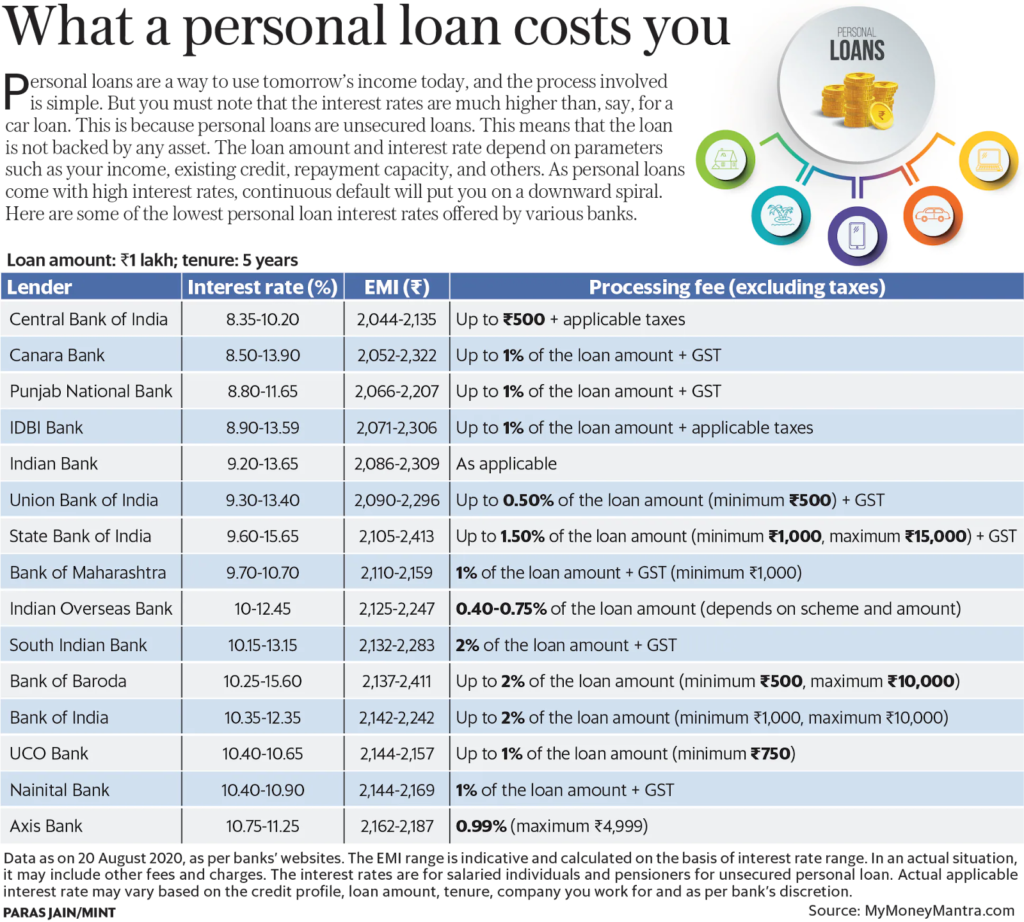
Many Americans unknowingly overpay simply because they believe rates are set in stone. According to consumer lending data, borrowers with nearly identical credit profiles often receive vastly different rates, sometimes differing by 5–8 percentage points. That gap translates into thousands of dollars lost or saved.
This article reveals one powerful tip that can slash your personal loan interest rate almost immediately, explains why lenders agree to it, and shows how everyday borrowers used it to regain control of their finances.
The One Tip That Can Instantly Lower Your Personal Loan Interest Rate
Get a Competing Loan Offer—and Use It as Leverage
That’s it. No tricks. No gimmicks.
A legitimate, competing loan offer from another lender gives you negotiating power that most borrowers never use.
When lenders know you have options, the conversation changes. You are no longer a passive applicant—you become a customer they want to keep.
Why This One Tip Works So Well
Lenders operate businesses, not charities. Acquiring a new borrower is expensive. Marketing costs, underwriting time, and risk assessment can cost lenders hundreds of dollars per customer.
From their perspective:
- Keeping you is cheaper than replacing you
- Lowering your rate slightly still keeps the loan profitable
- Losing you to a competitor costs them real money
This is why many lenders have internal “rate adjustment” or “pricing discretion” policies—but they rarely activate them unless asked.
Real-Life Example: How One Phone Call Saved $4,200
Jason, a 34-year-old IT professional in Texas, applied for a $25,000 personal loan to consolidate credit card debt.
- Initial offer: 14.8% APR, 5-year term
- Monthly payment: ~$585
Before signing, Jason applied with another lender and received an offer at 11.2% APR.
Instead of immediately switching, he called his original lender and said:
“I’d prefer to stay with you, but I’ve received a lower APR offer elsewhere. Is there anything you can do to improve my rate?”
After a brief review, the lender countered with 11.5% APR.
Results:
- Monthly savings: ~$70
- Total interest saved: over $4,200
- Time invested: ~10 minutes
No refinancing. No additional credit damage. Just leverage.
Why Lenders Rarely Offer Lower Rates Upfront
Most borrowers assume the approved rate is the best possible rate. In reality, lenders work with pricing bands, not single fixed numbers.
That means:
- Your credit profile qualifies you for a range of rates
- Initial offers often sit toward the middle or higher end
- Discounts are typically reactive, not proactive
According to Consumer Financial Protection Bureau insights, more than half of borrowers never attempt negotiation, even though lenders expect it from informed consumers.
Step-by-Step: How to Use This Tip Correctly
Step 1: Get 2–3 Competing Offers (Soft Credit Checks Only)
Most major lenders now allow prequalification with soft credit inquiries, which do not affect your credit score.
Common lenders offering this include:
- SoFi
- Discover
- LightStream
- Marcus by Goldman Sachs
- Upstart
Apply within a short time window to keep your credit profile consistent.
Step 2: Compare APR, Not Monthly Payments
Many borrowers make the mistake of focusing on monthly payments. Always compare:
- APR (Annual Percentage Rate)
- Loan term length
- Origination fees or penalties
A lower monthly payment can hide higher total interest.
Step 3: Contact Your Preferred Lender Directly
Call customer service or use secure chat. Be polite, direct, and confident.
A simple script works best:
“I’ve received a competing personal loan offer at X% APR. I like your service and would prefer to stay with you if you can improve my rate.”
Avoid emotional appeals. Stick to facts.
Step 4: Ask for a Rate Review or Pricing Adjustment
Specific language matters. Ask for:
- “Rate review”
- “Pricing adjustment”
- “Retention options”
If the first representative says no, politely ask if a supervisor can review your case.
Another Real-Life Example: Same Credit, Different Outcomes
Monica, a 41-year-old healthcare administrator in Illinois, applied for an $18,000 personal loan.
- Credit score: 702
- Initial offer: 16.9% APR
After securing a competing offer at 12.4% APR, she returned to the original lender.
They matched the lower rate.
Impact:
- Interest before negotiation: ~$8,100
- Interest after negotiation: ~$5,200
- Savings: ~$2,900
That savings came from one conversation she almost didn’t have.
When This Strategy Works Best
This approach is especially effective if:
- Your credit score is 680 or higher
- You have stable or increasing income
- You received multiple pre-approvals
- The loan has not yet been finalized
Even borrowers with fair credit can still benefit, though results vary.
When It May Be Less Effective
Negotiation may be limited if:
- Credit score is below 620
- You’ve had recent missed payments
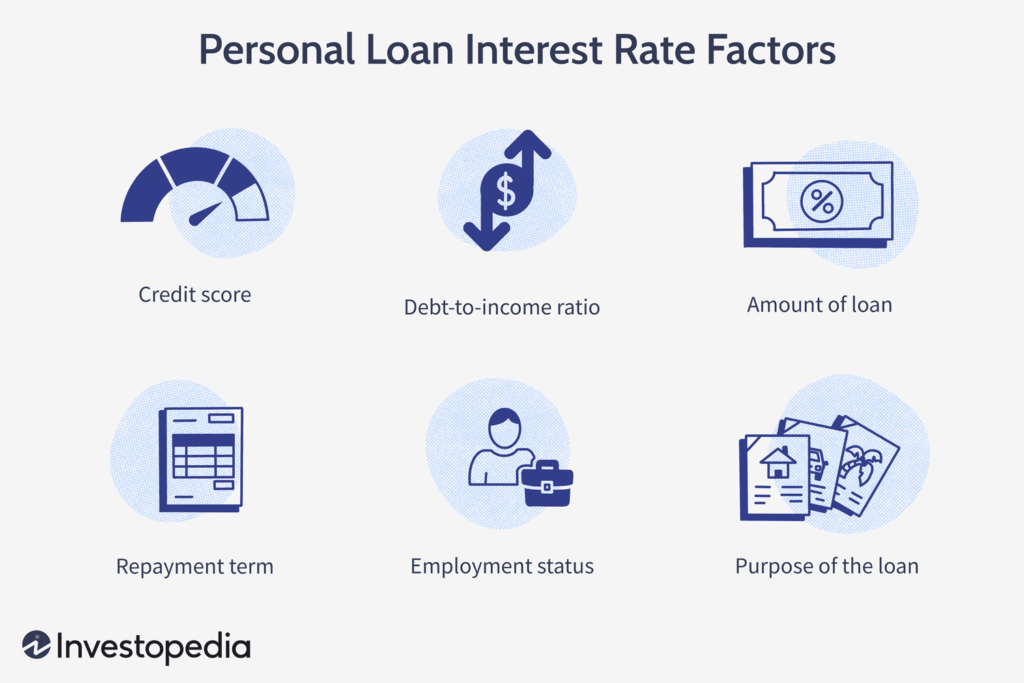
- Debt-to-income ratio is very high
- The loan agreement is already signed and funded
Still, asking never hurts—and sometimes exceptions are made.
Why This Beats Refinancing (At Least Initially)
Many articles push refinancing, but refinancing:
- Takes time
- Often triggers hard credit inquiries
- May include origination fees
Negotiation happens before signing, making it:
- Faster
- Simpler
- Lower risk
Refinancing can still be useful later if rates drop further.
The Psychology Behind Lender Approval
From a lender’s perspective:
- Your risk profile is already evaluated
- A slight APR reduction doesn’t meaningfully increase default risk
- Retaining you improves lifetime customer value
This is why negotiation works more often than people expect.
Additional Moves That Strengthen Your Position
To increase your chances of success:
- Pay down credit card balances before applying
- Update income details if you received a raise
- Consider a shorter loan term
- Add a qualified co-signer if appropriate
Each improvement nudges you into a lower-risk category.
Cost of Not Using This Tip
On a $30,000 loan over 5 years:
- 15% APR = ~$12,800 interest
- 11% APR = ~$9,000 interest
Difference: ~$3,800
That money could fund:
- An emergency savings buffer
- A family vacation
- Faster debt freedom
Silence is expensive.
Expert Insight
Former loan underwriters confirm that:
“Rates are rarely final until documents are signed. Borrowers who negotiate are often placed in better pricing tiers.”
In other words, lenders expect informed consumers to push back.
Frequently Asked Questions (FAQs)
1. Can I really negotiate a personal loan interest rate?
Ans. Yes. Many lenders have discretionary pricing authority, especially before final approval or funding.
2. Will negotiating hurt my credit score?
Ans. No. Using prequalification offers relies on soft credit checks, which do not impact your score.
3. How much can my interest rate realistically drop?
Ans. Most borrowers see reductions between 1% and 5%, depending on credit strength and competition.
4. Can I negotiate after I’ve accepted the loan offer?
Ans. Sometimes. If the loan hasn’t funded yet or is within a cancellation window, adjustments may still be possible.
5. What if my lender says rates are non-negotiable?
Ans. Ask for a rate review or supervisor escalation. Some flexibility exists even if it’s not advertised.
6. Is refinancing better than negotiating?
Ans. Negotiation is faster and avoids fees. Refinancing is useful later if rates fall significantly.
7. Do online lenders negotiate interest rates?
Ans. Yes. Many fintech lenders are especially flexible to retain customers.
8. What credit score works best for negotiation?
Ans. Scores above 680 see the strongest results, but fair-credit borrowers can still benefit.
9. How many competing offers should I get?
Ans. Two or three offers are enough to create strong leverage without unnecessary applications.
10. What is the biggest mistake borrowers make?
Ans. Not asking at all. Most overpayment happens because borrowers assume rates are fixed.
Final Takeaway
Personal loan interest rates are not set in stone. With one simple step—getting and leveraging a competing offer—you can instantly reduce your borrowing costs and keep thousands of dollars in your pocket.
The smartest borrowers don’t accept the first number they see.
They ask—and they save.