

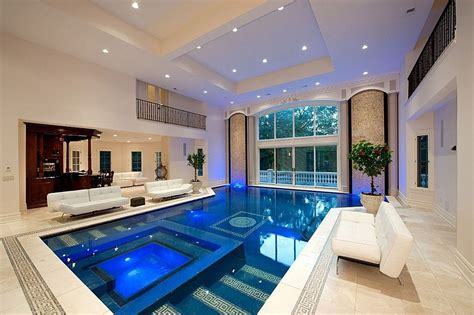
Luxury homes are embracing a bold new feature — the underground pool. From hidden subterranean swim-spaces to vault-like wellness basins beneath the surface, this trend is redefining high-end residential luxury. We’ll explore what’s driving it, real-life examples, what it means for homeowners and investors, plus practical advice so you’re ready if this wacky craze lands in your backyard.
What Exactly Is an Underground Pool Trend in Luxury Homes?
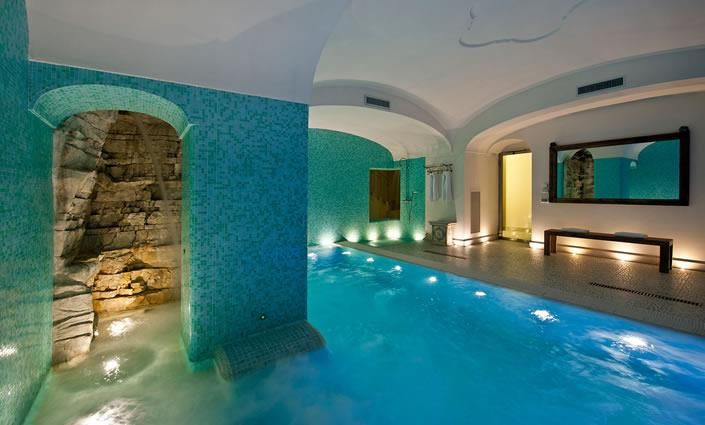
An “underground pool” refers to a swimming pool built below ground level, often integrated into a basement or subterranean space rather than being a typical above-ground or yard-level pool. In the luxury market, these pools are lavish, custom-engineered, and designed to impress.
This trend aligns with the broader movement of “insider luxury” or “hidden estate features,” sometimes called “iceberg homes,” where most of the house lies beneath the surface. (Ralston Architects) While traditional pools remain popular, underground pools are gaining traction among high-net-worth homeowners seeking privacy, novelty, and unique value.
Key features of underground pools include:
- Pool chambers or spaces excavated beneath the main living levels
- Architectural elements like glass walls, skylights, or light wells for natural lighting
- Integration with other subterranean amenities such as spas, gyms, or home theaters
- High-end engineering addressing waterproofing, ventilation, and structural loads
Why Are Luxury Homeowners Going Underground Instead of Over the Top?
Several factors are driving this trend in luxury real estate:
1. Land or Zoning Constraints:
In upscale neighborhoods, vertical expansion may be restricted due to height limits or heritage regulations. Building downward allows homeowners to expand square footage and amenities without altering the visible exterior. (Ralston Architects)
2. Privacy and Exclusivity:
Underground pools are discreet, visible only to those invited. This makes the space a private sanctuary rather than a public display.
3. Wow-Factor Novelty:
Luxury buyers are always seeking features that stand out — hidden pools become a conversation starter and a statement of design ingenuity.
4. Engineering Advancements:
Recent innovations in waterproofing, ventilation, and structural engineering make underground pools feasible while integrating seamlessly with the home’s design. (Forbes Global Properties)
Real-Life Examples of the Trend
Example 1: Urban Townhouse Subterranean Pool
In New York’s Upper East Side, a $30 million townhouse is undergoing excavation for a cellar pool. The project faced legal challenges due to noise, structural concerns, and excavation disruptions (NY Post). This highlights both the appeal and complexity of underground pools in urban settings.
Example 2: Iceberg Homes
Ralston Architects describe “iceberg homes,” where a significant portion of living space is below ground. These homes integrate underground pools, wellness zones, and hidden entrances, creating a luxurious subterranean lifestyle (Ralston Architects).
Example 3: Luxury Pool Trend Reports
Industry reports from Forbes and Van Kirk Pools emphasize glass walls, indoor pools, and hidden amenities as emerging features. This positions underground pools as the next evolution in high-end residential amenities (Forbes Global Properties).
Are You Ready for an Underground Pool? Key Considerations
Before committing to this trend, homeowners should ask:
- Site feasibility: Does the lot and soil support subterranean construction?
- Budget & cost premium: Excavation, waterproofing, ventilation, and luxury finishes significantly increase costs.
- Engineering & design requirements: Will you need specialized structural and geotechnical expertise?
- Maintenance & operational cost: Underground pools require sophisticated dehumidification and ventilation systems.
- Resale potential: Will future buyers value this amenity or see it as high maintenance?
- Construction timeline & disruption: Excavation can be long and intrusive.
- Safety & ventilation: Proper airflow, egress, and lighting are critical for below-ground spaces.
Benefits & Pain Points of Underground Pools
Benefits
- Exclusive resort-style amenity hidden from view
- Adds usable square footage in restricted sites
- Flexibility to integrate with wellness rooms, cinemas, or spas
- Enhanced privacy and acoustic benefits
Pain Points
- High upfront costs and complex engineering
- Longer construction timelines and disruption
- Maintenance complexity due to humidity, ventilation, and safety
- Potential resale risk if buyers undervalue the feature
- Legal/structural risks (neighbor disputes, soil conditions, waterproofing)
Practical Advice & Takeaways
- Engage a specialized architect and engineer early.
- Conduct a detailed cost-benefit analysis to assess value vs expense.
- Consider phased construction or semi-underground options to reduce disruption.
- Use materials and systems designed for subterranean environments (waterproof membranes, dehumidifiers, skylights).
- Make the pool multi-functional by pairing it with wellness, spa, or cinema amenities.
- Document all construction and warranties for future resale.
- Market the pool as a unique luxury differentiator to potential buyers.
Frequently Asked Questions (FAQs)
Q1: What is an underground pool in a luxury home?
An underground pool is built below ground level or integrated into a basement, creating a hidden, high-end amenity.
Q2: Why are underground pools trending?
They solve land and zoning constraints, provide privacy, and serve as a design statement in luxury real estate.
Q3: How much more expensive is an underground pool?
Costs vary, but excavation, waterproofing, structural work, and specialized finishes make it significantly more expensive than standard pools.
Q4: Can existing homes be retrofitted with underground pools?
Yes, but it’s highly complex, costly, and disruptive, often requiring excavation beneath or adjacent to the home.
Q5: Do underground pools add resale value?
They can, if well-executed and marketed. Poorly designed or high-maintenance pools may deter future buyers.
Q6: What are the engineering challenges?
Key challenges include waterproofing, drainage, structural loads, daylight access, ventilation, and emergency egress compliance.
Q7: Are underground pools safe?
Yes, if built to code, but they require attention to air quality, lighting, humidity, and emergency egress systems.
Q8: How is maintenance different from a standard pool?
There’s greater emphasis on dehumidification, ventilation, specialized finishes, and system inspections. Operational costs are higher.
Q9: Who should consider an underground pool?
Luxury homeowners with ample budgets, unique site constraints, and a desire for exclusive amenities are ideal candidates.
Q10: How should I begin planning an underground pool?
Start with feasibility studies, hire architects/engineers, define a budget, explore multi-use designs, and consult pool specialists early.
Final Thoughts
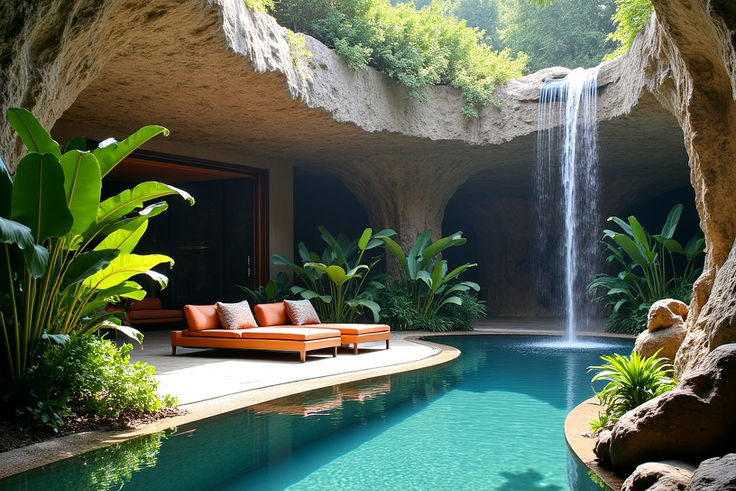
The underground pool trend is more than a gimmick — it reflects a shift in how luxury homeowners use space, privacy, and amenities. While building downward offers design freedom and exclusivity, it also introduces costs and complexity. Homeowners ready for the commitment can leverage this trend to create one-of-a-kind luxury living spaces, while those still evaluating should weigh benefits, pain points, and professional guidance carefully.