

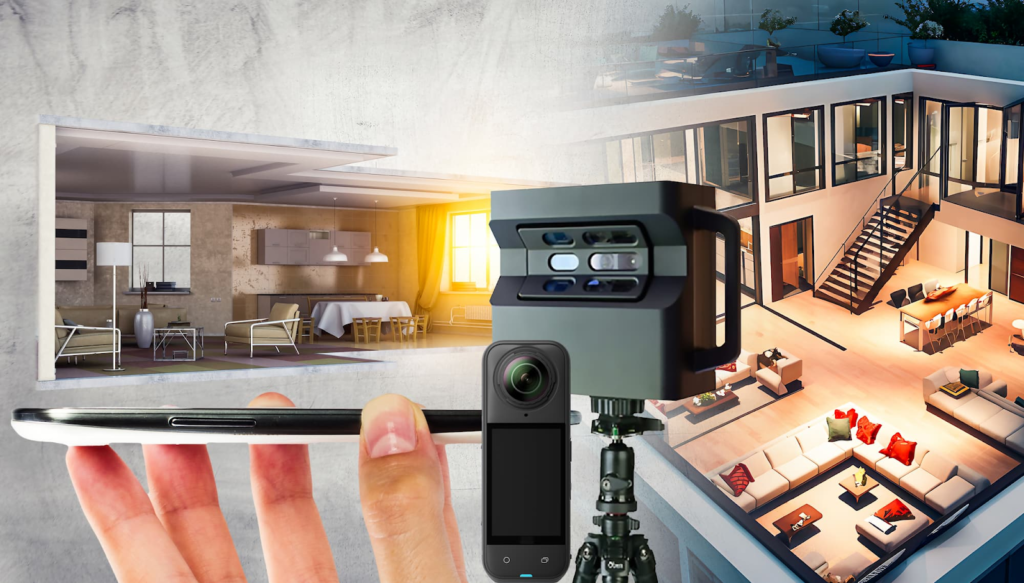
Virtual home tours have reshaped how Americans buy and sell houses, replacing many elements of the traditional open-house model. With 3D walkthroughs, drone footage, and AI-enhanced staging, buyers now make confident decisions before ever stepping inside. This guide explores how virtual tours work, why they matter, and how sellers can use them to sell faster, attract more buyers, and stand out in a competitive real-estate landscape.
Introduction
It’s official: the traditional Sunday open house — fresh cookies, browsing foot traffic, and handshake greetings — is no longer the first step in buying a home. Today, the home-shopping journey starts on a screen, and virtual tours are leading the transformation.
What began as a COVID-era workaround has become a permanent industry shift. According to Redfin, 63% of U.S. buyers in 2024 made an offer without physically visiting the home. A decade ago, this would have been unthinkable. Zillow also reports listings with virtual tours receive up to 50% more saves, shares, and buyer engagement, dramatically improving visibility.
Several factors drive this shift:
✔ Long-distance relocation is at a historic high.
✔ Millennials and Gen Z — digital-first generations — now dominate the buyer market.
✔ AI and 3D scanning technology have become shockingly realistic.
The result? Virtual tours have become the new first showing, and real-estate professionals who embrace them gain a major competitive edge.
Why Are Virtual Tours Replacing Traditional Open Houses?
Virtual tours appeal to today’s buyers because they reduce stress, save time, and allow people to explore homes at their own pace. But the shift is deeper than convenience — it reflects a change in how Americans prefer to experience big decisions.
Younger buyers, especially millennials and Gen Z, expect digital-first interactions. They test-drive cars through apps, shop for furniture in AR, and compare apartments through social media videos. Home shopping fits into this new pattern.
Real-life example:
A couple relocating from Chicago to Austin needed to find a home quickly due to a job transfer. Instead of flying back and forth six times, they used Matterport 3D tours to evaluate properties. After narrowing 26 listings to 3, they visited only one in person — the home they ultimately purchased. Virtual tours saved them money, time, and unnecessary stress.
Meanwhile, sellers benefit from higher-quality traffic. Virtual tours naturally filter out “just curious” browsers, ensuring that in-person showings attract serious buyers who already have a strong interest.
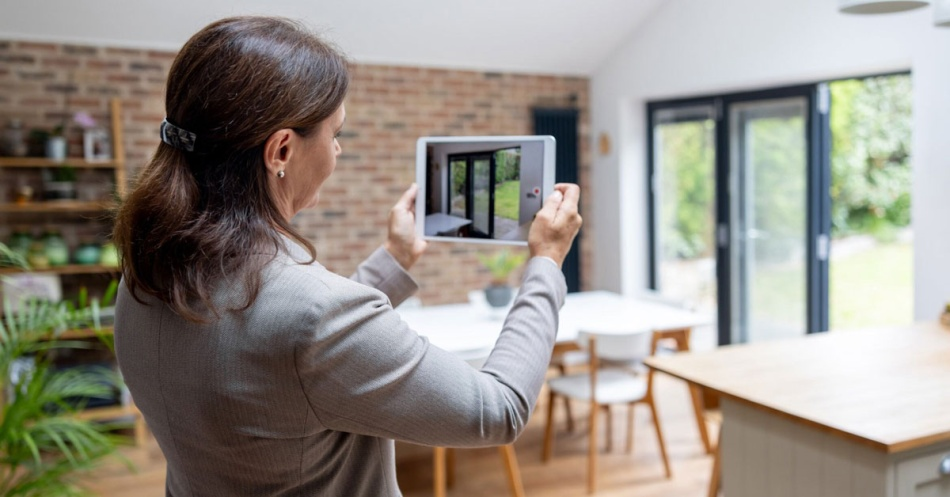
What Exactly Is a Virtual Home Tour? (And What It Isn’t)
Many people confuse virtual tours with standard listing photos — but modern virtual tours go far beyond simple images. Today’s virtual tour formats include:
- 3D interactive walkthroughs (Matterport, Zillow 3D Home)
- 360º panoramic room-by-room tours
- Live agent-led video tours over Zoom or FaceTime
- AI-generated virtual staging or renovation previews
- Drone footage covering neighborhoods, yards, and rooftops
A true virtual tour gives buyers spatial understanding, showing home flow, room dimensions, and lighting in a way photos cannot.
Unlike wide-angle listing photography — which is often criticized for distorting room size — virtual tours present a realistic representation, building trust and reducing surprises for buyers.
How Virtual Tours Help Homes Sell Faster (and Often for More Money)
Recent data clearly shows the impact:
- A 2024 RE/MAX report found that homes with virtual tours sold 31% faster.
- Zillow data shows listings with virtual tours have 22% higher closing rates.
- Redfin reports that remote buyers rely on virtual tours for long-distance purchases, increasing competition for desirable homes.
Why does this happen?
1. Better Quality Buyer Traffic
Virtual tours pre-qualify buyers by eliminating those who don’t like the layout or feel of the home.
2. More Confident Decision Making
Buyers spend more time viewing listings with tours, strengthening emotional engagement.
3. Expanded Market Reach
People moving for remote work or new job opportunities can shop from anywhere.
4. Increased Transparency
Virtual tours show the full picture — buyers feel they’re seeing the “real home,” not just flattering photos.
Real-life example:
A seller in Phoenix struggled to get traction for three weeks. After adding a 3D walkthrough and drone footage, listing views tripled, and the home sold within days — for $18,000 over the asking price.
Why Buyers Love Virtual Tours (and Prefer Them Over In-Person Visits)
✔ They reduce decision fatigue.
Seeing 10–20 homes in person is physically and mentally exhausting. Virtual tours streamline the process.
✔ They eliminate awkward or rushed showings.
Buyers can revisit the tour at midnight or during lunchtime — with no pressure.
✔ They allow honest comparison.
Buyers flip between tours to compare kitchens, layouts, lighting, and flow.
✔ They help people visualize their life in the home.
AI staging tools now place furniture, adjust colors, or show possible renovations.
✔ They support long-distance purchases.
Relocation buyers — one of the fastest-growing segments — often rely 100% on virtual tools.
Are Virtual Tours Accurate? Can They Be Misleading?
High-quality tours are extremely accurate, especially those using LiDAR or Matterport technology. However, smartphone-created tours may distort depth or lighting slightly.
Still, virtual tours are far more transparent than still photos, because buyers can explore corners, ceilings, hallways, and transitions in real time. There is less opportunity to hide defects or manipulate the perspective.
Which Properties Benefit the Most from Virtual Tours?
Although all listings benefit, certain property types see exceptional results:
- Luxury homes
- New construction and presale homes
- Rental and investment properties
- Remote-work relocation markets (Austin, Raleigh, Tampa, Nashville, Phoenix)
- Condos where layout is essential to understand
Even small homes become more marketable when buyers can understand scale and flow.
Do Virtual Tours Increase Property Value?
While virtual tours don’t directly increase appraised value, they create market advantages such as:
- More competition
- Faster offers
- Stronger emotional connections
- Increased online visibility
- Better ranking on platforms like Zillow and Realtor.com
All of these factors can indirectly push sale prices higher.
The Cost of Creating a Virtual Tour (For Sellers)
Professional tours vary depending on home size and features:
- Standard homes: $150–$600
- Luxury or large homes: $800+
- AI staging: $50–$150 per room
- Drone aerial tours: $200–$500
Many top agents include these services in their marketing packages at no additional cost.
Privacy Concerns: Are Virtual Tours Safe?
Some homeowners worry that virtual tours reveal too much about their home’s interior. However, agents and photographers can protect privacy by:
- Blurring personal photos
- Avoiding scans of valuables
- Hiding alarm panels, safes, or access points
- Excluding certain rooms or areas if needed
Modern platforms follow strict security and data-handling standards.
How Agents Use AI to Enhance Virtual Tours
AI technology is unlocking new possibilities that make homes more appealing online:
- Automatic room type detection
- AI furniture styling
- Virtual decluttering
- Renovation previews
- Virtual twilight enhancements
- Guided narration with agent voiceovers
Real-life example:
In Atlanta, a real-estate agent used AI staging to create three styled versions of a living room: modern, farmhouse, and minimalist. The listing went viral on Instagram and generated 47 showing requests in a single weekend.
The combination of AI and virtual tours is quickly becoming the new gold standard for real-estate marketing.
Practical Tips for Creating a Highly Effective Virtual Tour
To make your virtual tour stand out:
- Declutter before scanning — this is non-negotiable.
- Keep lighting natural and consistent.
- Neutralize the space with light wall colors.
- Open all blinds and doors to improve flow.
- Remove personal items and family photos.
- Add greenery for warmth.
- Ensure floors and surfaces are spotless.
- Ask for both wide-angle and detail shots.
A poor-quality tour can turn buyers off — a great tour can help sell your home faster and for more money.
10 Trending FAQs About Virtual Home Tours
1. Are virtual tours worth it for a cheaper or starter home?
Yes. Even budget-friendly homes receive more attention, views, and inquiries.
2. Can I buy a home based solely on the virtual tour?
Many buyers already do, especially long-distance relocators. Still, a final walkthrough is recommended.
3. Do virtual tours help For Sale By Owner sellers?
Yes, but pricing, negotiation, and contracts still benefit from professional representation.
4. Which technology makes the best virtual tours?
Matterport cameras and LiDAR-enabled smartphones produce the most accurate results.
5. Can virtual tours hide defects?
They typically reveal more than photos. You can’t crop or angle away issues in a 3D walkthrough.
6. Do all buyers prefer virtual tours?
Most millennials and Gen Z do; older buyers still use them but may also prefer in-person viewings.
7. Are virtual tours accessible for seniors or visually impaired buyers?
Platforms now support zoom, guided tours, voice-inspection modes, and simplified navigation.
8. Do virtual tours help in negotiations?
They often increase buyer competition, strengthening the seller’s position.
9. Should landlords and property managers use virtual tours?
Yes — especially in college towns, military towns, and markets with high turnover.
10. How long does it take to create a virtual tour?
Most homes are scanned in 60–120 minutes, with finished tours delivered within 24 hours.
Conclusion: Virtual Tours Are No Longer the Future — They Are the New Normal
Whether you’re a buyer, a seller, or an agent, virtual tours are now a core part of modern real-estate decision-making. They increase transparency, improve efficiency, and widen the pool of potential buyers — especially in an era dominated by relocation and remote work.
The traditional open house will always have its place, but the first showing is now digital. Sellers who adapt quickly will stand out. Those who resist risk losing buyers — and money — to better-marketed homes.