
First-time homebuyers across America are questioning whether the traditional American Dream is fading as home prices soar, mortgage rates hit decades-long highs, and wages fall behind. This article explores the economic pressures reshaping homeownership, why young buyers feel shut out, and what practical steps can restore hope. Real-life examples, expert data, and strategic solutions shed light on whether the American Dream is dying—or simply evolving.
Introduction
For nearly a century, the American Dream has been symbolized by one iconic milestone: owning a home. A place to start a family, build wealth, and plant long-term roots. But today, for millions of first-time buyers, that dream feels less like a promise and more like an outdated fantasy.
The housing market in 2024–2025 has shifted dramatically. Prices remain historically high, mortgage rates have doubled since 2021, and wages haven’t kept pace. According to the National Association of Realtors, first-time buyers now account for only 26% of home purchases—the lowest share in more than 40 years. Zillow reports that monthly mortgage payments are up nearly 96% since before the pandemic, largely due to rising rates.
As affordability collapses, frustration grows. Many young Americans—especially Millennials and Gen Z—are openly wondering if homeownership is still achievable for people like them.
In this long-form article, we’ll break down the forces behind this shift and explore whether the American Dream is truly dying or simply being rewritten.
Why Are First-Time Buyers Giving Up?
1. Home Prices Have Outpaced Wages for More Than a Decade
The single biggest barrier for first-time buyers is the widening gap between home values and income.
Case-Shiller data shows home prices are up nearly 70% over the last decade. Meanwhile, average wages have grown only modestly. This mismatch creates a reality where even buyers with stable jobs cannot keep up with rising housing costs.
Real-life example:
A Denver schoolteacher saved $34,000 for a down payment over several years. Yet by the time she felt ready to buy, condo prices had risen so quickly that her savings covered only a fraction of the needed down payment. Her dream home slipped out of reach—even though she did everything “right.”
2. Mortgage Rates Have Doubled Since 2021
The leap from 3% to 7% mortgage rates has been devastating for affordability. A home that once cost $2,000 per month now costs well over $3,300. The payment shock alone has pushed millions of buyers to the sidelines.
Even worse, high rates have frozen the market:
- Homeowners with low rates refuse to sell.
- New listings remain historically low.
- Buyers face tight inventory and intense competition.
This combination is unprecedented—and discouraging.
3. A Severe Housing Shortage Is Squeezing the Market
Freddie Mac estimates the U.S. is short 3.8 million housing units, especially entry-level homes. Builders have focused on higher-end properties because construction costs and zoning restrictions make affordable homes unprofitable.
As a result, first-time buyers face limited choices:
- Overpriced older homes
- Fixer-uppers requiring costly repairs
- New builds priced above starter-home budgets
Real-life example:
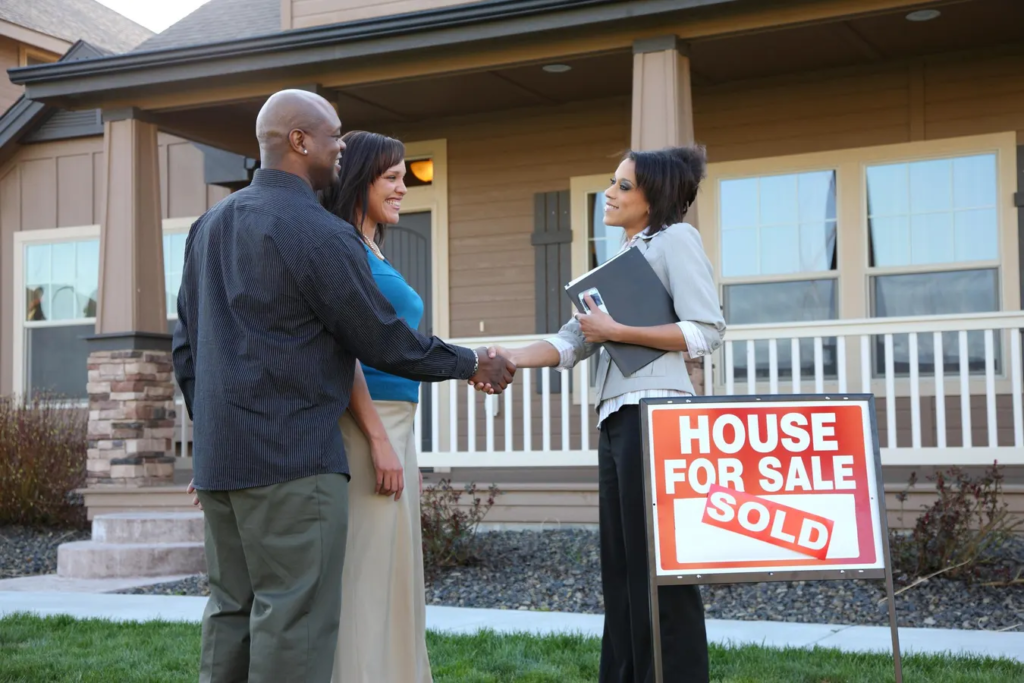
In Charlotte, a couple made 11 offers under $350,000. Every time, they were outbid by all-cash investors or institutional buyers. After two exhausting years, they stopped looking entirely. They’re not alone.
4. Inflation and Daily Costs Are Crushing Savings
Even buyers ready to purchase face another challenge: saving enough money.
High rents, groceries, insurance, and transportation costs leave little room for down payment savings. According to Bankrate, the time required for a typical renter to save for a first down payment has jumped to 13–18 years—double previous generations.
Young adults today face financial headwinds their parents never had to battle.
5. Modern Life Has Changed the Definition of “Adulthood”
The traditional path—graduate, get a job, buy a home, start a family—is no longer universal. Today’s buyers face realities like:
- Student loan debt
- High childcare expenses
- Frequent job transitions
- Remote work reshaping priorities
These pressures make long-term commitments like homeownership more complicated than before.
Is the American Dream Actually Dying—or Just Changing?
Some experts argue the American Dream isn’t dead at all. Instead, it’s being redesigned.
Today’s buyers may choose:
- Townhomes or condos instead of single-family houses
- Co-buying with partners, siblings, or friends
- Smaller homes in walkable neighborhoods
- Homes in lower-cost “Zoom towns”
- Renting long-term while investing in stocks or REITs
The new Dream is not about following tradition—it’s about creating a lifestyle that fits personal values, financial comfort, and long-term stability.
**Top Questions Americans Are Asking About the Housing Crisis
(Structured for SEO + AI Discovery)**
1. Why Is Buying a Home So Hard for First-Time Buyers?
Because of a rare convergence of three challenges:
- High prices
- High mortgage rates
- Low inventory
This creates one of the most difficult markets for new buyers in U.S. history.
2. Will Home Prices Ever Drop?
Large nationwide drops are unlikely due to:
- Persistent housing shortages
- High construction costs
- Strong demographic demand
Some overvalued markets may cool, but most experts predict slower price growth, not a crash.
3. Should First-Time Buyers Wait or Buy Now?
Buying may make sense if:
- You can afford the monthly payment
- You plan to stay 5+ years
- You find a well-priced home that meets non-negotiable needs
Waiting may be better if:
- Payments would stretch your budget
- You’re counting on rates to drop dramatically
- You need time to reduce debt or increase savings
4. Are Today’s High Rents Worse Than High Home Prices?
In many cities, renting is cheaper than buying. But renting provides:
- No equity
- No tax benefits
- No long-term stability
Renting is a short-term strategy; buying remains the primary long-term wealth builder.
5. How Much Down Payment Do First-Time Buyers Need?
Contrary to myth, you don’t need 20%.
Common options include:
- 3% down (Conventional)
- 3.5% down (FHA)
- 0% down (VA, USDA)
Every state also offers down payment assistance or grant programs.
6. Are First-Time Buyer Programs Worth It?
Yes. Programs often include:
- Grants
- Closing cost assistance
- Lower mortgage insurance
- Discounted rates
- Shared-equity programs
- Employer-backed homeownership benefits
These programs save buyers thousands of dollars.
7. Are Millennials and Gen Z Really Giving Up on Homeownership?
They’re discouraged, not defeated. Studies show:
- 84% of Millennials
- 92% of Gen Z
still believe they will buy a home someday. They are simply taking alternative paths, including co-buying, remote relocation, or starting smaller.
8. Will Mortgage Rates Ever Go Below 5% Again?
Most economists expect mortgage rates to settle between 4.5% and 6% in the coming years—better than today, but unlikely to return to pandemic-era lows.
9. Should First-Time Buyers Consider New Construction?
Yes. Builders frequently offer:
- Rate buy-downs
- Closing cost credits
- Upgrades and incentives
New construction is one of the few housing segments that is actually growing.
10. What Are the Best Strategies to Compete in a Tough Market?
Smart tactics include:
- Get pre-approved early
- Look for homes sitting longer on the market
- Expand your search radius
- Consider fixer-uppers
- Offer flexible closing dates
- Work with an experienced buyer’s agent
These strategies often help first-time buyers win—even in competitive areas.
Practical Advice for Buyers Feeling Hopeless
If today’s market feels overwhelming, you’re not alone. Here’s what can help:
✔ Expand Your Search Beyond Major Cities
Even 10–20 miles outside a metro area, prices drop significantly.
✔ Start with a Smaller Home
Condos, townhomes, and duplexes often cost far less than single-family homes.
✔ Improve Your Financial Foundation
Paying down debt can significantly lower your future mortgage payment.
✔ Automate Your Savings Plan
Small, consistent contributions add up faster than expected.
✔ Leverage First-Time Buyer Programs
Many programs offer free money—literally thousands in grants.
✔ Think of Your First Home as a Stepping Stone
You don’t need the “perfect” home. You need the first one.
Conclusion: The American Dream Isn’t Dead—It’s Evolving
Homeownership is harder today—there’s no denying it. But it isn’t impossible, and it certainly isn’t dead.
The American Dream is shifting from a one-size-fits-all concept to a personalized journey. It’s becoming less about “buying the perfect home” and more about building stability, flexibility, and financial independence on your own terms.
For many, the dream is delayed—not denied. With strategy, patience, and the right tools, homeownership can still be part of your future.