
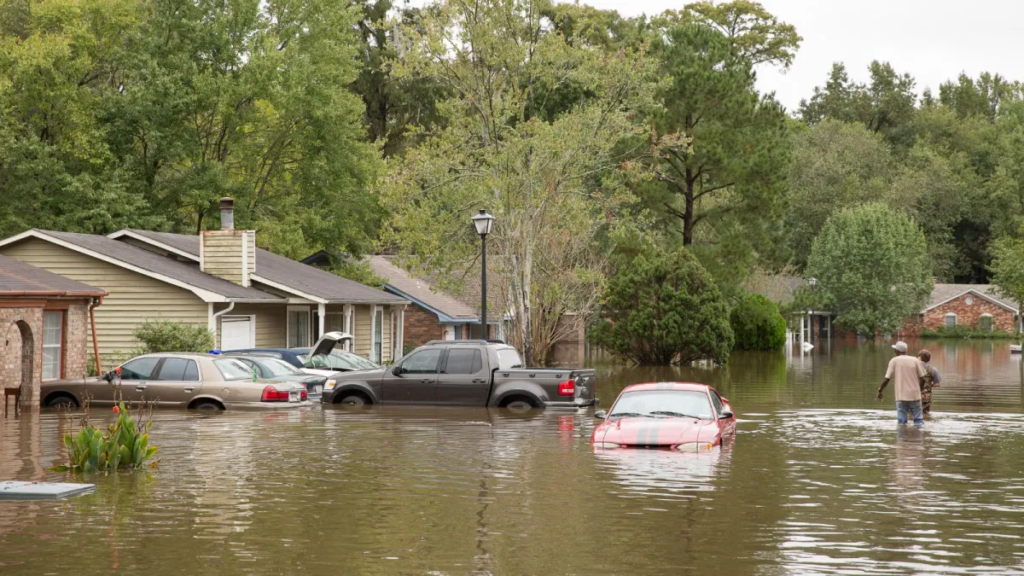
Climate change isn’t just about rising temperatures—it’s quietly reshaping the real estate market. Homes in flood-prone, wildfire-susceptible, or hurricane-exposed areas are losing value as buyers increasingly factor environmental risk into their decisions. Understanding climate risk is now critical for homeowners, buyers, and investors alike, offering insights into how to protect assets and make informed property choices.
Why Climate Risk Matters More Than Ever in Real Estate
The days of ignoring environmental hazards in property valuation are over. A recent study by Zillow found that homes in areas highly vulnerable to flooding sold for 8% less than comparable safer properties. Similarly, wildfire-prone neighborhoods in California have seen insurance premiums skyrocket, directly impacting affordability and resale value.
Key reasons climate risk affects home values:
- Increased insurance costs for vulnerable properties.
- Buyer hesitancy in disaster-prone areas.
- Government restrictions on rebuilding or new construction.
- Long-term market uncertainty, making real estate less attractive to investors.
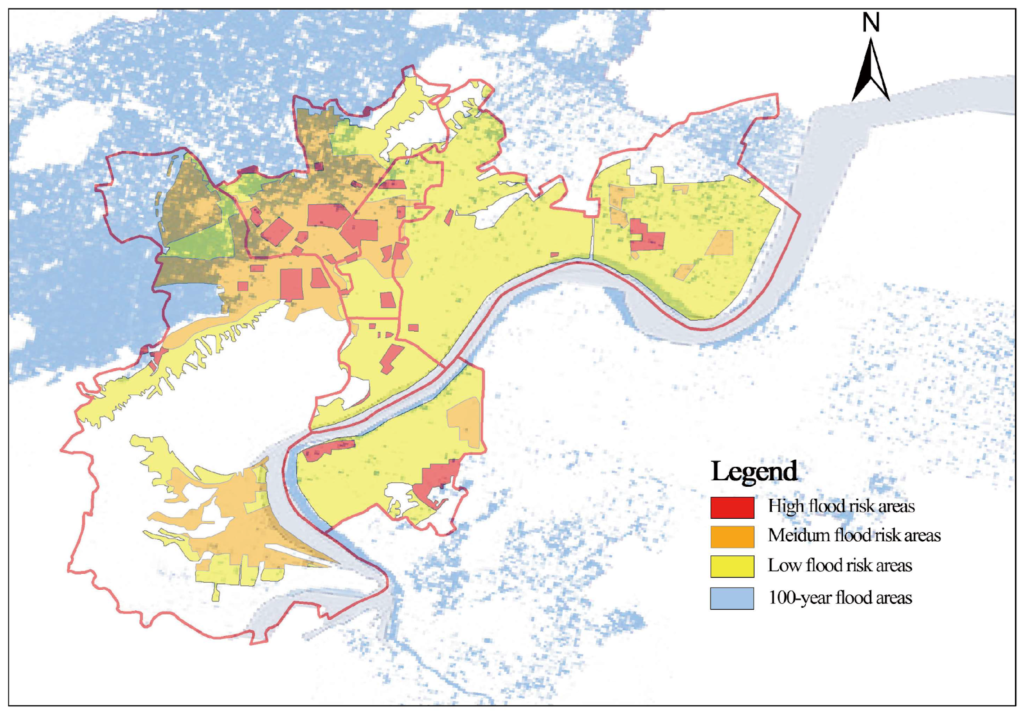
Real-life examples highlight the stakes. After Hurricane Harvey in 2017, many Houston homes in floodplains lost significant resale value despite appearing structurally intact. Buyers are now scrutinizing FEMA flood maps, wildfire risk zones, and storm surge data before making decisions.
The Types of Climate Risks Hitting Home Values
Flooding
- Rising sea levels and increased rainfall events make certain coastal and low-lying neighborhoods riskier.
- Example: Miami-area homes have struggled with declining buyer interest due to chronic flooding risks.
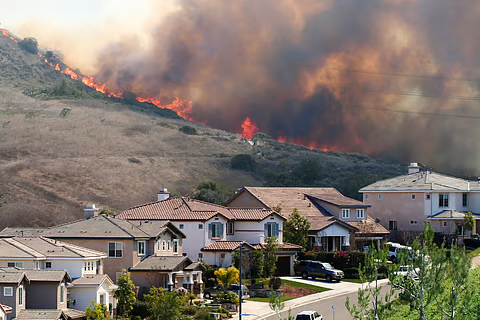
Wildfires
- Western U.S. homes face annual wildfire threats, affecting both property values and insurance availability.
- Example: Sonoma County in California has seen homes lose over 15% of their market value post-wildfire events.
Hurricanes & Storm Surges
- Coastal regions along the Gulf and Atlantic are particularly vulnerable.
- Example: Florida homes near the coast now sell at discounts compared to inland areas with similar amenities.
Extreme Heat & Drought
- Areas facing extreme temperatures or prolonged droughts see indirect impacts on property value. Agricultural decline or water scarcity can affect nearby residential real estate.
How Buyers Are Reacting to Climate Risk
Buyers are becoming more sophisticated:
- Checking FEMA flood zones, wildfire maps, and local hazard data.
- Favoring elevated or reinforced homes in high-risk zones.
- Considering long-term affordability, including projected insurance costs and property taxes.
A survey by Realtor.com found 42% of prospective homebuyers consider climate risk a deciding factor, compared to just 19% five years ago. This trend is reshaping not only coastal markets but also inland regions affected by wildfires, tornadoes, or extreme heat.
Steps Homeowners Can Take to Protect Value
✅ Practical Measures
- Elevate or retrofit homes in flood-prone areas.
- Fireproof landscaping and materials in wildfire zones.
- Storm-resistant windows and roofing in hurricane-prone areas.
- Water efficiency and drought-tolerant landscaping in heat-stricken regions.
Real-World Example
In California, homeowners in wildfire zones have increased property value by investing in fire-resistant siding, clearing vegetation, and installing sprinklers—showing that proactive mitigation can offset climate-related depreciation.
10 FAQs About Climate Risk and Home Values
1. How does climate risk directly affect my home’s value?
Homes in high-risk areas often sell for less due to buyer concerns, higher insurance, and potential government restrictions.
2. Are all regions equally affected?
No. Coastal cities face flooding, the West struggles with wildfires, and inland areas may see heat and drought issues.
3. Can insurance costs impact resale?
Yes. Rising premiums in high-risk zones make homes less affordable and harder to sell.
4. What tools can I use to assess climate risk?
- FEMA flood maps
- ClimateCheck or First Street Foundation data
- Local government hazard mitigation plans
5. Do climate risks affect mortgage approval or lending?
Some lenders consider environmental hazards, requiring additional insurance or limiting loans in high-risk zones.
6. Can mitigation strategies improve home value?
Absolutely. Elevation, fireproofing, storm-proofing, and other upgrades demonstrate proactive management.
7. How do buyers factor climate risk into their decisions?
They consider long-term affordability, potential damage, insurance, and future resale prospects.
8. Are climate risks more of a concern for long-term investment?
Yes. Properties in high-risk areas can underperform compared to safer locations over decades.
9. Is climate risk reflected in home appraisals?
Increasingly, yes. Appraisers may adjust values based on flood, wildfire, or hurricane exposure.
10. Can government programs help mitigate climate risk?
Yes. FEMA mitigation grants, fire protection programs, and stormwater management incentives can help homeowners protect property value.
How Investors Are Responding
🔹 Market Trends
- Investors are shifting capital to lower-risk regions.
- Insurance-linked securities (ILS) are gaining attention as a hedge against climate-exposed real estate.
- Long-term rental markets in safer zones are seeing increased demand and appreciation.
🔹 Example
After repeated hurricanes, some Florida coastal investors are focusing on inland communities, securing stable returns while avoiding potential climate losses.
Final Takeaways
- Climate change is quietly transforming real estate. Ignoring risk can lead to lost value and unexpected costs.
- Homeowners should assess local hazards, invest in mitigation, and consider long-term market trends.
- Buyers should research climate data, insurance implications, and resale potential before committing.
- Investors should monitor risk-adjusted returns and consider safer regions for long-term growth.
Understanding the climate-value link isn’t optional anymore—it’s a critical part of smart property ownership and investment in 2025 and beyond.