

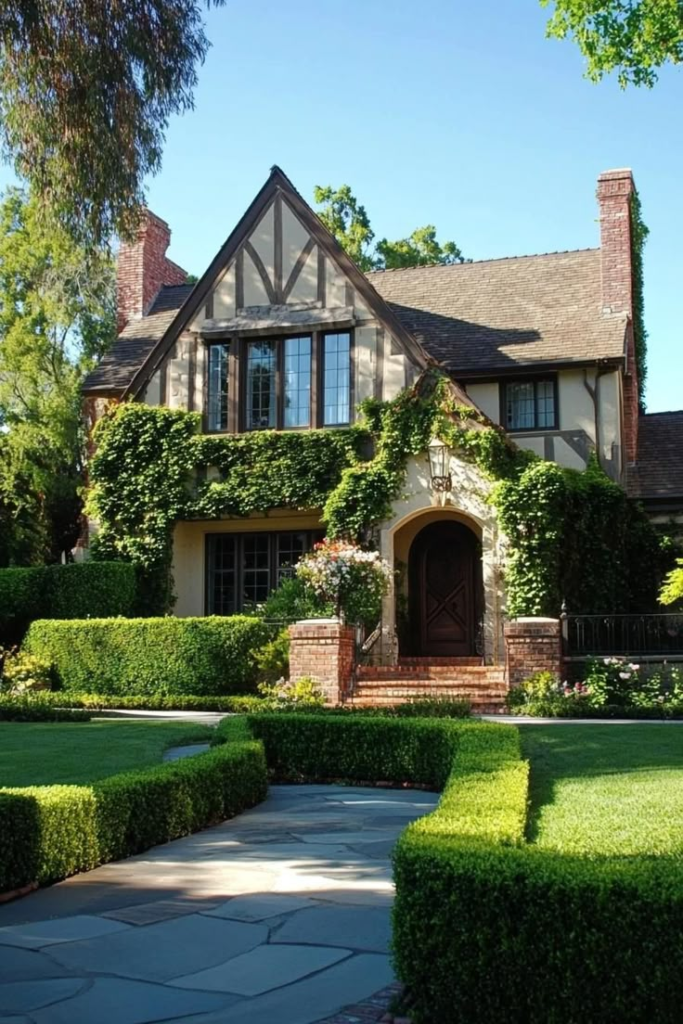
Millennials across the U.S. are leaving apartments at unprecedented rates as rising rents, remote work flexibility, quality-of-life concerns, and shifting lifestyle priorities push them toward suburban homes and build-to-rent communities. New 2025–2026 housing data reveals a generational migration away from dense apartment living toward more space, stability, and affordability. This report explains why millennials are moving, where they’re going, and how this shift is reshaping America’s housing market.
Introduction
For more than a decade, millennials were labeled the “renting generation,” often portrayed as the cohort permanently priced out of homeownership and deeply entrenched in urban apartment living. But in 2025 and beyond, a dramatic reversal is underway. Millennials are walking away from apartment buildings in record numbers—not just switching units or neighborhoods, but leaving dense urban living altogether.
This movement is so substantial that economists now refer to it as The Great Rental Exodus, a demographic shift that is reshaping suburbs, revitalizing small towns, boosting build-to-rent (BTR) housing, and weakening demand for urban luxury rentals. The reasons behind this mass migration extend far beyond rent prices; they touch on lifestyle transformation, remote work, burnout, and the pursuit of long-term stability.
So why are millennials finally saying goodbye to apartments? And what does this shift mean for the future of American housing? Let’s break down the data, insights, and real-life stories behind this generational exit.
1. Why Are Millennials Leaving Apartments in 2025–2026?
The millennial generation—now aged roughly 28 to 45—is entering a life stage where space, stability, and financial predictability matter more than nightlife or trendy downtown living.
The top factors driving the rental exodus include:
- Rising rent costs that outpace wage growth
- Desire for more space, privacy, and outdoor areas
- Remote work enabling relocation
- Higher crime rates and city burnout
- Pet ownership restrictions in apartments
- Build-to-rent communities offering suburban amenities
- Desire for long-term stability and family-friendly living
According to RealPage Analytics, national rents increased 25% from 2020 to 2024, while millennial wage growth averaged around 11%. Many renters feel financially squeezed and emotionally drained.
Real-Life Example
A 34-year-old HR manager in Seattle shared that her one-bedroom rent rose from $1,850 to $2,390 in two years. Instead of renewing, she moved into a rented townhome in a suburban community—with double the space, a backyard, and no noisy neighbors above her head. The monthly cost? Only slightly higher.
This kind of story is becoming common nationwide.
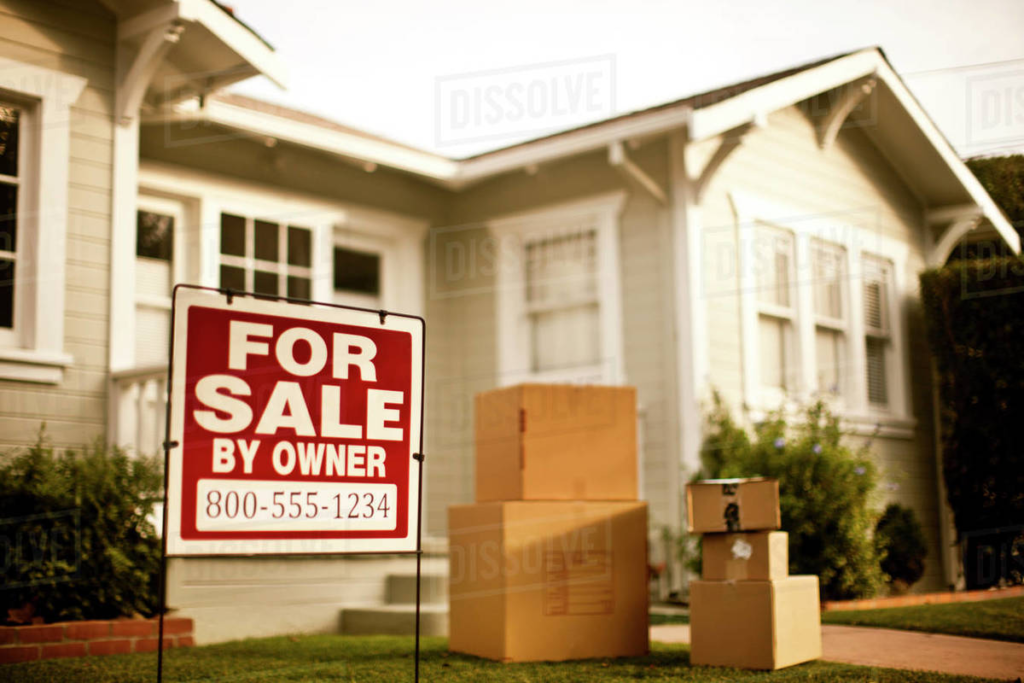
2. What Is Fueling This Rapid “Rental Exodus”?
This shift isn’t driven by a single reason—it’s a perfect storm of economic, emotional, and lifestyle realities.
The biggest forces behind the movement include:
1. Affordability Pressure
Between inflated parking fees, amenity fees, pet fees, and skyrocketing rent, apartments no longer feel like the “affordable choice.”
2. Remote Work Permanence
Pew Research shows 35% of millennial professionals now work remotely full-time, and many have no intention of returning to small city apartments.
3. Quality-of-Life Priorities
Millennials—burnt out from years of economic pressure—are choosing mental health, greenery, and breathing room over dense urban living.
4. Rise of Build-to-Rent Homes
The build-to-rent market has grown by 350% since 2019, giving millennials the opportunity to live in suburban homes without committing to ownership.
5. Family Formation
Millennials are having children later, but once they do, apartment life becomes unexpectedly restrictive.
6. City Fatigue & Crime Concerns
Deteriorating infrastructure and rising crime perceptions have pushed many to consider quieter areas.
Together, these drivers form the backbone of the rental exodus.
3. What Housing Options Are Millennials Choosing Instead of Apartments?
The movement away from apartments doesn’t necessarily mean millennials are rushing to buy homes. Many are choosing alternative renting options that better align with their priorities.
The most popular alternatives include:
- Suburban rental homes
- Build-to-rent single-family communities
- Duplexes and townhomes
- Small starter homes in affordable metros
- Co-living arrangements
- Multi-generational homes
- Rural and remote-friendly small towns
Real-Life Example
A Los Angeles couple moved from a 750 sq ft apartment ($3,400/month) to a 1,950 sq ft rented single-family home in Las Vegas for $2,950/month. The lower cost, safer community, and private backyard were life-changing.
4. Is Renting a House Cheaper Than Renting an Apartment?
Surprisingly, in many metros—yes.
Why renting a house often costs the same or less:
- Oversupply of new luxury apartments drives rents up
- Suburban land is more abundant, lowering per-square-foot cost
- Build-to-rent developers price competitively
- Renters get more space and better living conditions for similar monthly spend
In markets like Phoenix, Tampa, Charlotte, and Columbus, it’s now common for renters to pay equal or lower monthly costs for double or triple the space.
5. Are Millennials Leaving Big Cities Forever?
Not everyone is abandoning cities, but migration trends show a clear directional shift.
Top cities millennials are leaving:
- San Francisco
- Los Angeles
- Seattle
- Chicago
- New York
- Portland
Top cities millennials are moving to:
- Nashville
- Raleigh
- Tampa
- Dallas
- Phoenix
- Columbus
- Jacksonville
These markets offer affordability, job opportunities, and cleaner, safer communities—ideal for millennial families.
6. How Is Remote Work Accelerating the Millennial Move Away From Apartments?
Remote work has fundamentally changed how millennials think about housing.
Key ways remote work fuels the exodus:
- Freedom to live anywhere, not just near offices
- Necessity for home offices
- Reduced desire for urban noise and density
- Ability to save more in lower-cost areas
- Increased value placed on outdoor and recreational spaces
Why live in a $2,800 studio when a suburban home costs the same?
7. Are Millennials Giving Up on Homeownership—or Preparing for It?
This is a common misconception. In reality:
Most millennials renting homes are preparing for homeownership.
Why renting a house feels like a path toward buying:
- It teaches home maintenance
- Creates predictable living costs
- Encourages saving with lower rent-to-space ratios
- Helps test-drive suburban life
- Provides stability that apartment leases often lack
The rental exodus is less about abandoning ownership and more about transitioning toward it strategically.
8. How Are Apartment Owners Responding to This Trend?
Developers and landlords are feeling the impact and adapting quickly.
Common responses include:
- Free rent incentives
- Lower move-in fees
- More pet-friendly policies
- Renovation upgrades
- Co-working lounges
- Smart-home features
But many millennials say these perks don’t solve the fundamental problem: lack of space and rising costs.
9. What Do Millennials Want Most in Their Next Home?
A dramatic shift in priorities has occurred.
Millennials now prioritize:
- Space for remote work
- Outdoor living areas
- Privacy and noise control
- Pet-friendly homes
- Walkable but low-crime neighborhoods
- Energy-efficient appliances
- Kid-friendly surroundings
- Predictable monthly expenses
Millennials aren’t just moving—they’re redefining the meaning of home.
10. What Does the Millennial Rental Exodus Mean for the Future of U.S. Housing?
This generational movement has wide-reaching implications.
Major short-term effects:
- Increased demand for suburban rentals
- Slower lease-up rates in luxury apartments
- Lower occupancy in urban cores
- Higher rents for single-family rentals
- More build-to-rent communities launching
Long-term market transformation:
- Suburbs gaining cultural and economic significance
- Apartments shifting toward hybrid work-based amenities
- Smaller metros emerging as millennial hubs
- Housing developers prioritizing rental homes over condos
- Homeownership likely rising among millennials from 2026–2035
The rental exodus is not a fad—it’s the beginning of a structural shift.
11. Should Millennials Keep Renting Houses or Try to Buy a Home?
Buying or renting depends on personal circumstances, but here’s a simple guide:
Buying Makes Sense When:
- You plan to stay 5–10 years
- You have a stable job
- Mortgage payments align with rent
- You qualify for competitive interest rates
- The local market is affordable
Renting Makes Sense When:
- You’re saving aggressively
- You’re unsure about future plans
- Your city remains overpriced
- You want to test-drive a new region
- You’re still rebuilding credit or savings
The right decision is a blend of financial readiness and lifestyle fit.
Key Takeaways: Why Millennials Are Leaving Apartments for Good
- Rents have risen dramatically while wages lag
- Millennials want space, flexibility, and long-term stability
- Remote work has removed the need for city-based apartments
- Build-to-rent communities offer suburban comfort without long leases
- The movement is reshaping suburbs, small towns, and the entire real estate ecosystem
- The rental exodus is a life-stage evolution, not just a trend

Top 10 FAQs About the Millennial Rental Exodus
1. Why are millennials leaving apartments now?
Rising rents, remote work, and the desire for more space and better lifestyles.
2. Are apartments becoming more expensive than houses?
In many cities, yes—rented houses offer more space at comparable costs.
3. Are millennials abandoning big cities forever?
Not entirely, but migration into suburbs and smaller metros is accelerating.
4. What types of homes are millennials renting instead?
Single-family homes, townhomes, duplexes, and build-to-rent houses.
5. Is this movement related to remote work?
Absolutely—remote work has liberated millennials from city boundaries.
6. Are millennials moving to buy or rent?
Both, but many rent homes as a preparation step toward ownership.
7. Will urban apartments see falling rents?
Some markets already are, especially luxury units with high turnover.
8. What do millennials value most in housing now?
Privacy, space, safety, outdoor access, and affordable living costs.
9. Which regions are millennials moving to most?
The Sun Belt, Midwest affordability hubs, and emerging mid-sized metros.
10. Will this exodus continue into 2026 and beyond?
Yes—migration data suggests a long-term generational shift.