
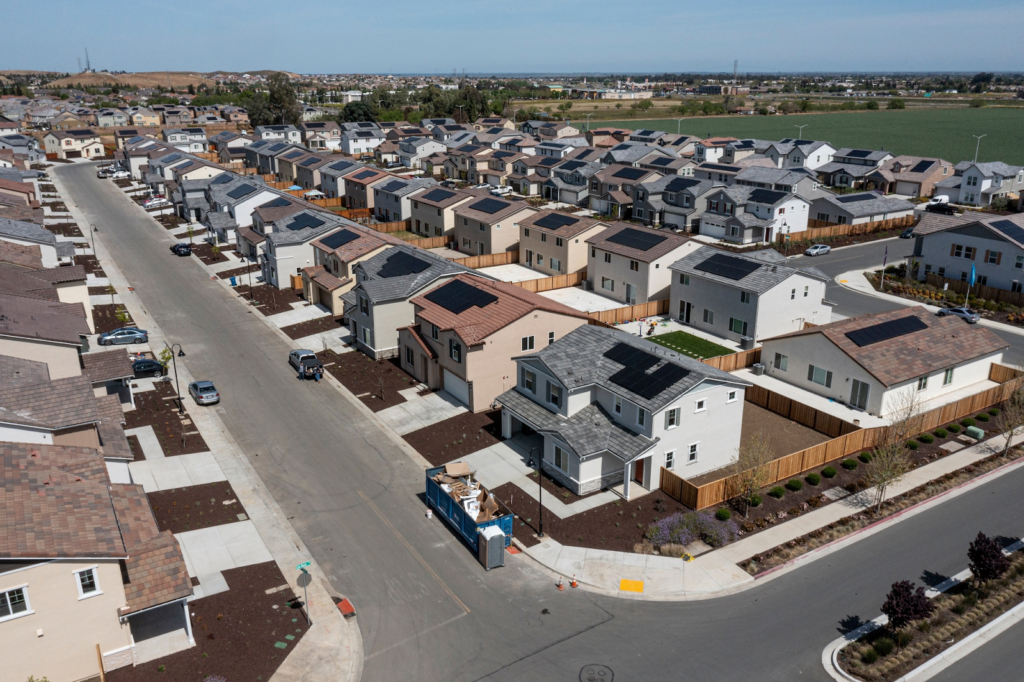
A new kind of housing boom is emerging in 2025—one that’s unfolding far away from traditional big-city centers. While buyers fixate on expensive metros, “hidden markets” in smaller and mid-sized cities are quietly gaining momentum. Driven by affordability, migration, and remote work flexibility, these overlooked areas are poised to become America’s next real estate success stories.
Why Big-City Homes No Longer Define the American Dream
For decades, homeownership in cities like New York, San Francisco, and Los Angeles symbolized success and upward mobility. But in 2025, that equation is rapidly changing.
Skyrocketing home prices, remote-work opportunities, and lifestyle shifts are pushing Americans to look beyond urban skylines and discover opportunity in smaller, under-the-radar markets.
According to a Zillow 2025 Housing Market Report, the next wave of real-estate growth is not expected in the coastal giants but in secondary markets—cities that combine affordability with quality of life and job growth.
These are the so-called “hidden markets”—affordable metros that are drawing families, digital nomads, and investors alike. They’re not glamorous yet, but they’re poised to explode as America’s housing demand continues to decentralize.
What Exactly Is a “Hidden Market”?
A hidden market is a metro area that meets several of the following criteria:
- Lower median home prices compared with national urban averages.
- A rising influx of new residents from major metros.
- Expanding employment or remote-work opportunities.
- Growing infrastructure investment and amenities.
- Less competition from large institutional investors.
Put simply, hidden markets are affordable, livable, and investable—but not yet overhyped.
Examples of Hidden Markets in 2025
According to Yahoo Finance’s “30 Best Hidden Gem Housing Markets of 2025”, many of these fast-growing but affordable metros include places such as Boise (ID), Knoxville (TN), Rochester (NY), Greenville (SC), and Spokane (WA). Each of these has shown 10–20% population growth over the past five years, according to U.S. Census Bureau data, while maintaining home prices far below national coastal averages.
Another Architectural Digest report highlighted Midwestern and Southern metros among the “Top 10 Hottest Housing Markets for 2025,” underscoring a broader regional shift.
Why This Shift Is Happening Now
Several converging trends are driving this migration away from traditional metros:
1. Affordability Crisis in Big Cities
The average U.S. home price reached $417,000 in 2024 (NAR), but in major coastal metros, it exceeds $700,000. Young buyers, especially Millennials and Gen Z, are finding it impossible to enter those markets.
2. Remote and Hybrid Work
Roughly 28% of Americans now work remotely at least part-time (Gallup 2025). Without the tether of commuting, buyers can prioritize affordability and lifestyle over proximity to downtown offices.
3. Corporate Relocations
Companies are expanding or relocating to mid-sized metros—such as Austin, Nashville, and Raleigh—bringing high-paying jobs and housing demand.
4. Quality-of-Life Shifts
Post-pandemic lifestyle priorities have changed. Buyers now seek space, community, and affordability, even if that means trading skyline views for neighborhood comfort.
5. Investor Diversification
Big-city investment saturation has pushed both small and institutional investors to look for yield in smaller markets with less competition and higher rent-to-price ratios.
A Real-Life Example: Jessica’s Smart Move
Meet Jessica, a tech consultant from California who was priced out of her local housing market. After months of losing bidding wars in San Francisco, she began researching secondary metros.
She eventually bought a modern 3-bed home outside Knoxville, Tennessee—a city with steady job growth, cultural amenities, and a median home price nearly 40% lower than California’s.
Her total monthly payment dropped 35%, and her property has already appreciated 8% in 12 months. Jessica’s story is increasingly common: middle-income buyers are finding freedom and financial upside outside the spotlight.
How to Identify Hidden Markets Before They Boom
If you want to spot a hidden market early, focus on data + development + demand.
Look for:
- Job growth above 5% annually.
- Population growth outpacing the national average.
- Median home prices below 70% of national urban averages.
- Days on market decreasing year over year.
- Infrastructure projects such as new airports, highways, or tech campuses.
- Rising rental yields (cap rates > 6%).
Pro tip: Subscribe to regional development boards, Chamber of Commerce newsletters, and local MLS reports. Hidden-market data often appear in local sources before national media pick it up.
Where Are the Hidden Markets in 2025?
Based on data from Realtor.com and Yahoo Finance, several metros show strong fundamentals for 2025:
- Rochester, NY – Affordable housing, healthcare jobs, tech investment.
- Greenville, SC – Manufacturing and logistics hub; influx of new residents.
- Boise, ID – Remote-worker magnet with rapid population growth.
- Des Moines, IA – Stable economy, low unemployment, strong rental returns.
- Knoxville, TN – Low property tax and strong lifestyle appeal.
- Spokane, WA – Growing as an affordable alternative to Seattle.
These areas may not dominate headlines, but they’re quietly delivering double-digit year-over-year growth in home demand and rental occupancy.
Buyer and Investor Takeaways
- ✅ Expand your search radius – don’t just follow popular metros.
- ✅ Prioritize fundamentals – job growth, affordability, infrastructure.
- ✅ Network locally – work with area-specialized agents and property managers.
- ✅ Be patient – smaller markets may grow steadily rather than explosively.
- ✅ Diversify investments – mix big-city and secondary-city holdings for balance.
10 Trending FAQs About the Hidden Housing Market
Q1. What exactly is a hidden housing market?
A: It’s a smaller or mid-sized metro area with untapped growth potential, affordability, and improving economic fundamentals—often overlooked by mainstream investors.
Q2. Why are Americans moving away from big cities in 2025?
A: High prices, remote-work flexibility, and quality-of-life priorities are encouraging migration toward more affordable and spacious areas.
Q3. Which regions are considered the “next wave” of real-estate growth?
A: The Midwest, Southeast, and interior-South—particularly metros in Tennessee, South Carolina, and Iowa—are emerging as growth corridors.
Q4. Are these smaller markets safe for investment?
A: Generally yes, provided buyers verify employment trends, population inflow, and local development projects before purchasing.
Q5. Can remote workers benefit from moving to hidden markets?
A: Absolutely. Remote professionals can secure larger homes at a fraction of big-city prices, enhancing both lifestyle and savings.
Q6. What are the risks of buying in a hidden market?
A: Lower liquidity, smaller job bases, and slower appreciation in some areas. Conduct due diligence on employment diversity and infrastructure.
Q7. How can I spot an up-and-coming hidden market early?
A: Monitor census data, rental-yield trends, local permits, and relocation statistics. Growth often starts quietly before national attention follows.
Q8. Will hidden markets eventually overtake big cities?
A: Not necessarily replace them—but they’ll increasingly share housing-demand growth and attract both buyers and investors.
Q9. Are institutional investors entering these markets?
A: Yes. Several investment funds are quietly acquiring single-family rentals in emerging metros, validating their long-term potential.
Q10. What’s the best strategy for buyers in 2025?
A: Look beyond headlines. Identify overlooked metros with job growth, lifestyle value, and affordability—and act before competition heats up.
Looking Ahead: The 2025 and Beyond Outlook
Experts forecast that by 2026, secondary and tertiary metros will account for nearly 40% of U.S. home-purchase growth. Remote work, regional job creation, and infrastructure spending will continue to pull attention away from the coasts.
Buyers who act now—before media attention peaks—stand to gain the most. In a market where affordability is scarce, hidden gems offer both stability and upside.
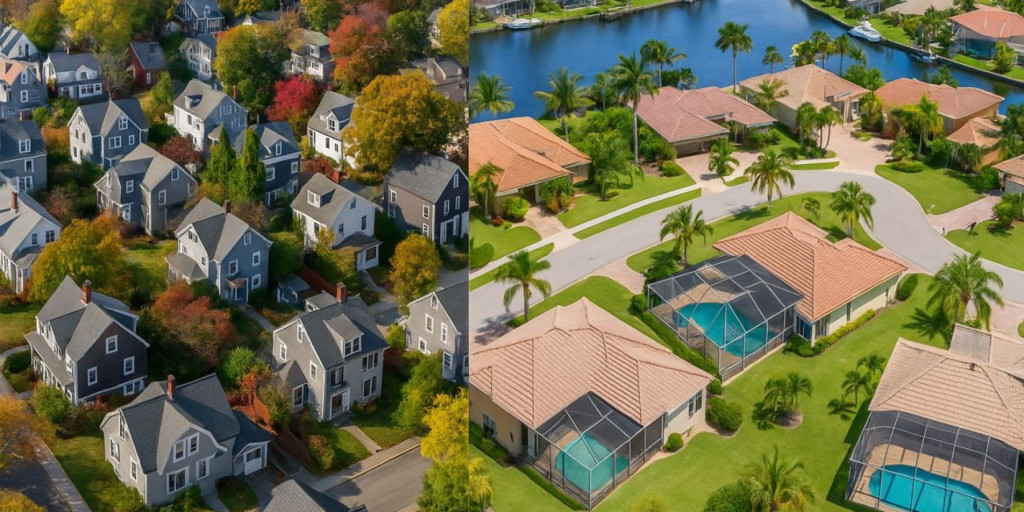
The next real-estate boom may not happen under skyscrapers—but in the quiet suburbs, scenic small towns, and high-growth corridors that everyone else overlooked.
Final Thoughts
The American dream of homeownership is evolving. The smart money in 2025 is flowing where lifestyle, affordability, and technology intersect.
If you’re ready to buy, invest, or relocate—look where no one else is looking. Because while everyone’s stuck chasing big-city dreams, the next great housing opportunity is quietly growing in the places you least expect.