

In 2026, most homeowners are still spending money on renovations that barely move the needle on resale value. Meanwhile, one overlooked upgrade—creating flexible, legally usable living space—is quietly delivering up to 30% higher valuations in many US markets. This in-depth guide explains what the renovation is, why it works so well today, and how homeowners can use it to dramatically increase value without chasing trends.
Introduction: Why Most Home Renovations Fail to Deliver Real Returns
Walk through any neighborhood in America and you’ll see the same renovation story repeated over and over again. New kitchens with quartz countertops. Bathrooms with rainfall showers. Fresh paint and modern fixtures everywhere.
Yet when these homes hit the market, many sellers are surprised by how little additional value those upgrades actually create.
The reason is simple: buyers now expect these updates. In 2026, a renovated kitchen doesn’t make your home special—it makes it acceptable. These upgrades help you stay competitive, but they rarely elevate your home above the rest.
Savvy homeowners are starting to realize something important:
The biggest jumps in home value no longer come from cosmetic upgrades. They come from functional transformation.
And there is one renovation that does exactly that—yet most homeowners still overlook it.
What Is the One Renovation That Adds Up to 30% More Value?
The highest-impact renovation in today’s housing market is:
Creating a Flexible, Legally Recognized Living Space
This includes:
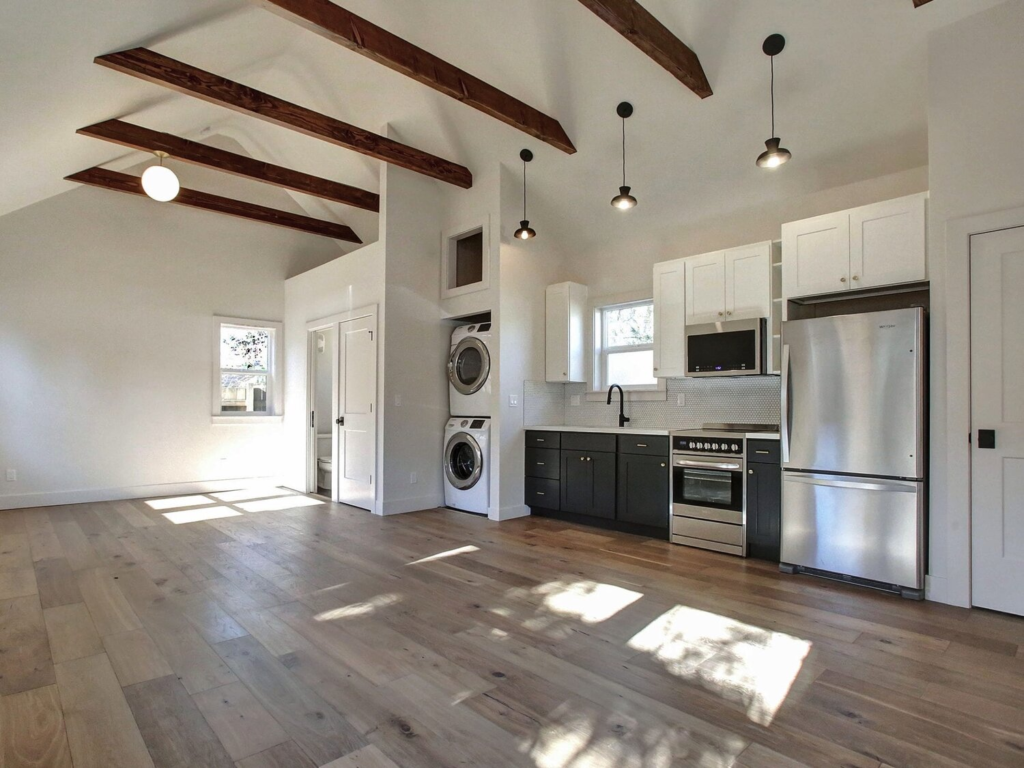
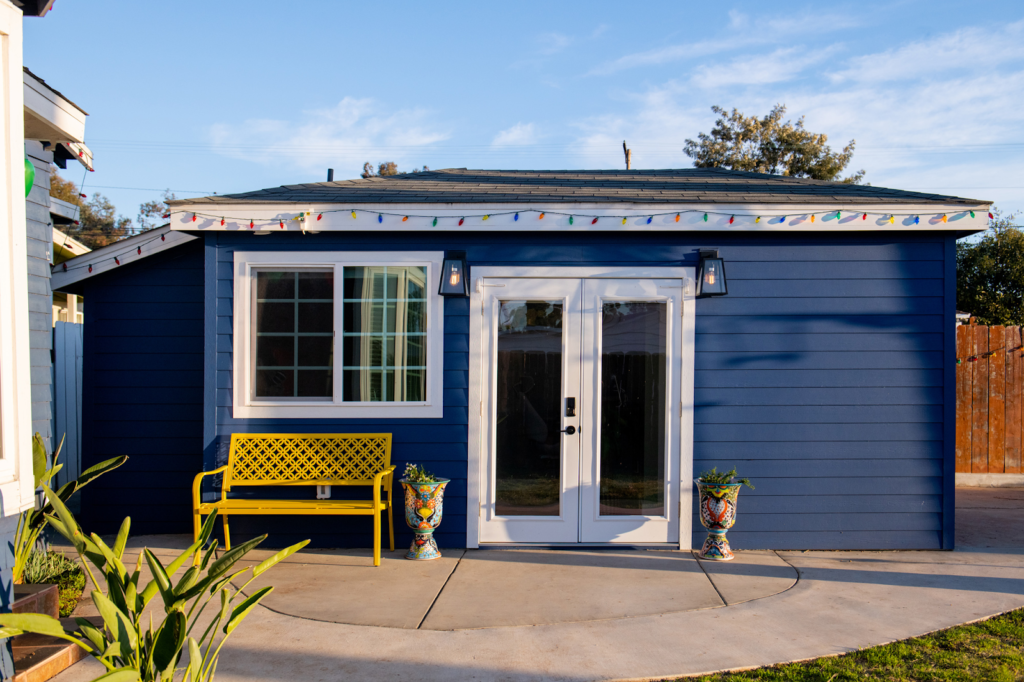
- Accessory Dwelling Units (ADUs)
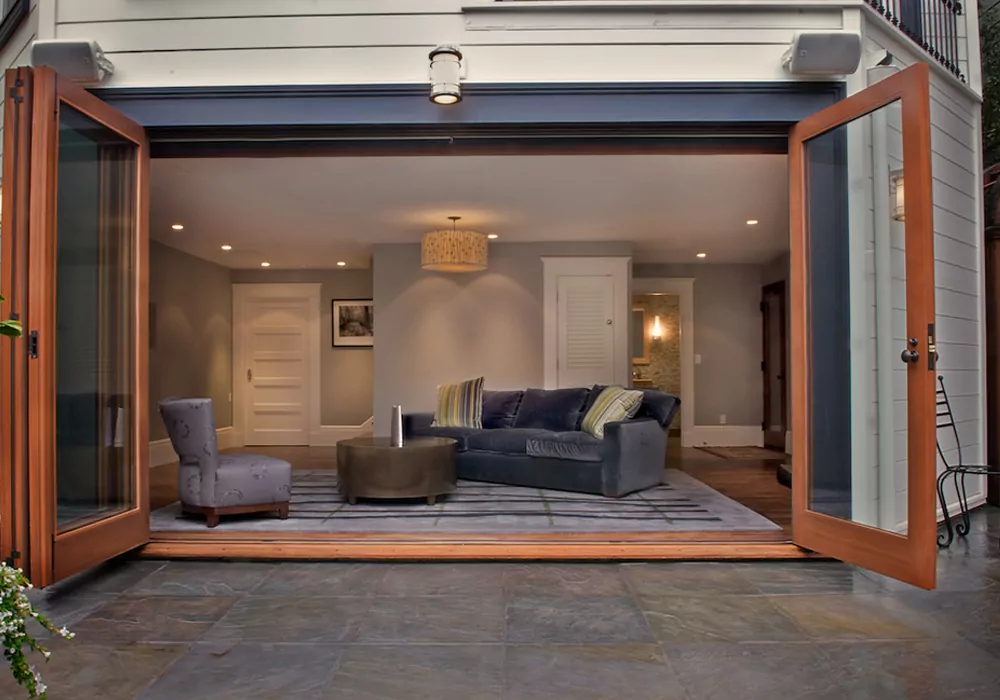
- Finished basements with legal egress and permits
- Garage conversions into livable areas
- Home additions that allow multiple uses (office, rental, guest suite)
Unlike surface-level renovations, this upgrade changes how the home functions—not just how it looks.
It adds:
- More usable square footage
- Greater buyer appeal
- Income-generating potential
That combination is exactly what modern buyers are paying a premium for.
Why Almost No Homeowners Choose This Renovation
If this renovation is so powerful, why do most homeowners still ignore it?
Fear of Complexity
Permits, zoning rules, inspections, and contractors feel intimidating. Many homeowners choose kitchens and bathrooms simply because they’re familiar—even if the return is lower.
It Doesn’t Look “Exciting”
A new backsplash photographs well. A legal secondary living unit doesn’t trend on Instagram. But buyers care far more about functionality than visual trends.
Outdated Advice Still Dominates
Much renovation advice circulating online is based on pre-2020 market behavior. The housing market—and buyer priorities—have changed dramatically since then.
Why This Renovation Works So Well in 2026
The modern housing market rewards adaptability.
Remote Work Has Redefined Space
Buyers now need homes that can function as:
- Offices
- Living spaces
- Income assets
A flexible living area instantly meets all three needs.
Multi-Generational Living Is Rising
More families are living with aging parents or adult children. Homes that support this lifestyle command higher prices and sell faster.
Rental Income Changes Buyer Psychology
Even modest rental income dramatically increases perceived affordability. Buyers view homes with income potential as safer, smarter purchases.
Real-Life Example: A Renovation That Beat the Market
In Phoenix, Arizona, a homeowner purchased a 4-bedroom suburban home for $520,000. Instead of remodeling the kitchen, they invested $65,000 converting the garage into a permitted studio with a private entrance.
The results:
- Appraised value increased to $675,000
- Monthly rental income of $1,400
- Home sold in 9 days, above asking price
That is not hypothetical ROI. That is market behavior.
How This Renovation Increases Value on Multiple Levels
This upgrade doesn’t rely on a single valuation factor. It stacks advantages.
It increases value by:
- Expanding livable square footage
- Appealing to investors, families, and remote workers
- Improving appraisal comparisons
- Adding income-based valuation
Few renovations affect pricing from so many angles at once.
What Qualifies as a High-Value Living Space Renovation?
Not all conversions are equal. Legality and flexibility are essential.
Renovations That Deliver the Best ROI
- ADUs with separate entrances
- Finished basements with permits and egress windows
- Garage conversions meeting local building codes
- Additions designed for multiple uses
Renovations That Underperform
- Unpermitted spaces
- Highly specialized rooms (theater-only, gym-only)
- Luxury finishes without added function
The goal is usefulness, not extravagance.
Cost vs. Return: Why This Outperforms Kitchens and Bathrooms
Most kitchen and bathroom renovations return 60–80% of their cost at resale.
Flexible living space renovations often deliver:
- 100–150% value return
- Ongoing monthly income
- Shorter time on market
No cosmetic upgrade competes with that combination.
Emotional Value: Why Buyers Pay More
Homes with flexible living space don’t just make sense financially—they feel safer.
Buyers think:
- “This home will work even if my life changes.”
- “I won’t outgrow this house.”
- “I have options if money gets tight.”
That emotional reassurance directly translates into higher offers.
Is This Renovation Right for Every Home?
Not every property is ideal—but many more qualify than homeowners realize.
It works especially well in:
- Suburban neighborhoods
- Cities with ADU-friendly zoning
- Areas with strong rental demand
- Markets facing affordability pressure
How to Start Without Making Costly Mistakes
This renovation rewards planning.
Smart First Steps
- Check zoning and ADU regulations
- Talk to a real estate agent before a contractor
- Estimate post-renovation appraisal value
- Design for flexibility, not trends
Doing this correctly matters more than doing it quickly.
Why This Strategy Will Matter Even More After 2026
Housing affordability challenges aren’t going away. Neither is remote work.
Homes that can adapt to changing lifestyles will consistently outperform homes that only look updated.
This renovation isn’t a trend—it’s a structural advantage.
Frequently Asked Questions (Trending in the US)
1. What renovation adds the most value to a home in 2026?
Ans. Creating a legal, flexible living space such as an ADU or finished basement offers the highest return.
2. Can this renovation really increase home value by 30%?
Ans. In many US markets, yes—especially when rental income and added square footage are factored in.
3. Is finishing a basement worth it for resale?
Ans. Yes, provided it is permitted and designed as livable space.
4. Are ADUs still popular in 2026?
Ans. Demand is growing rapidly due to housing shortages and multi-generational living.
5. Is this renovation more expensive than a kitchen remodel?
Ans. Costs are often similar, but the long-term return is significantly higher.
6. Do buyers really value rental income potential?
Ans. Yes. Income potential improves affordability and buyer confidence.
7. Does zoning compliance affect resale value?
Ans. Absolutely. Legal compliance protects value and widens the buyer pool.
8. What is the biggest mistake homeowners make with this renovation?
Ans. Skipping permits or designing a space that only serves one purpose.
9. Is this renovation suitable for first-time sellers?
Ans. Yes, especially in competitive markets where differentiation matters.
10. Will this renovation strategy still work after 2026?
Ans. All indicators suggest its importance will increase, not decline.
Final Thoughts: Renovate for Function, Not Fashion
In today’s housing market, the most valuable homes aren’t the most stylish—they’re the most adaptable.
Homeowners who see 30% value increases aren’t chasing trends. They’re solving real problems: space, flexibility, and income.
And that’s exactly what modern buyers are willing to pay for.