

With mortgage rates currently trending lower, many homeowners are wondering: “Is now the right time to refinance?” But while a low rate may seem like a green light, experts are divided. Whether refinancing pays off depends heavily on closing costs, how long you plan to stay in your home, your loan balance and term, and hidden trade‑offs. This guide explores when refinancing makes sense — and when it doesn’t — using real-life stories, expert insights, and practical frameworks.
Why a Low Rate Doesn’t Automatically Mean You Should Refinance
When interest rates drop, refinancing becomes more appealing: lower monthly payments, the chance to shorten your loan term, or take advantage of better loan terms. (Ameriprise)
Yet refinancing isn’t just about the rate — it’s a comprehensive financial decision. Homeowners must consider:
- Closing costs: Appraisals, lender fees, and legal costs can add thousands of dollars. (Kiplinger)
- Remaining loan term: Resetting a 30-year mortgage can increase total interest paid over time, even if monthly payments drop. (Investopedia)
- Homeownership horizon: Selling or moving before the “break-even” point can eliminate any net benefit. (Mortgage.com)
When Refinancing Makes Clear Financial Sense
✅ Meaningful Rate Reduction
Most financial advisers suggest refinancing is worthwhile when the new rate is 0.5%–1% lower than your current mortgage. (Webster First)
For instance, reducing a 6.5% loan to 5.5% could save thousands in interest over the life of the mortgage. (Rocket Mortgage)
✅ Long-Term Home Plans
Refinancing only makes sense if you plan to stay in your home long enough to recoup closing costs and realize net savings. Breaking even may take several years, depending on fees and rate reduction. (Mortgage.com)
✅ Shortening the Loan Term
Refinancing from a 30-year to a 15-year mortgage can reduce total interest paid and help you own your home faster, even if monthly payments increase. (Ameriprise)
✅ Improved Financial Profile
If your credit score or debt-to-income ratio has improved, refinancing now may unlock a better rate or loan terms than your current mortgage allows. (Mortgage.com)
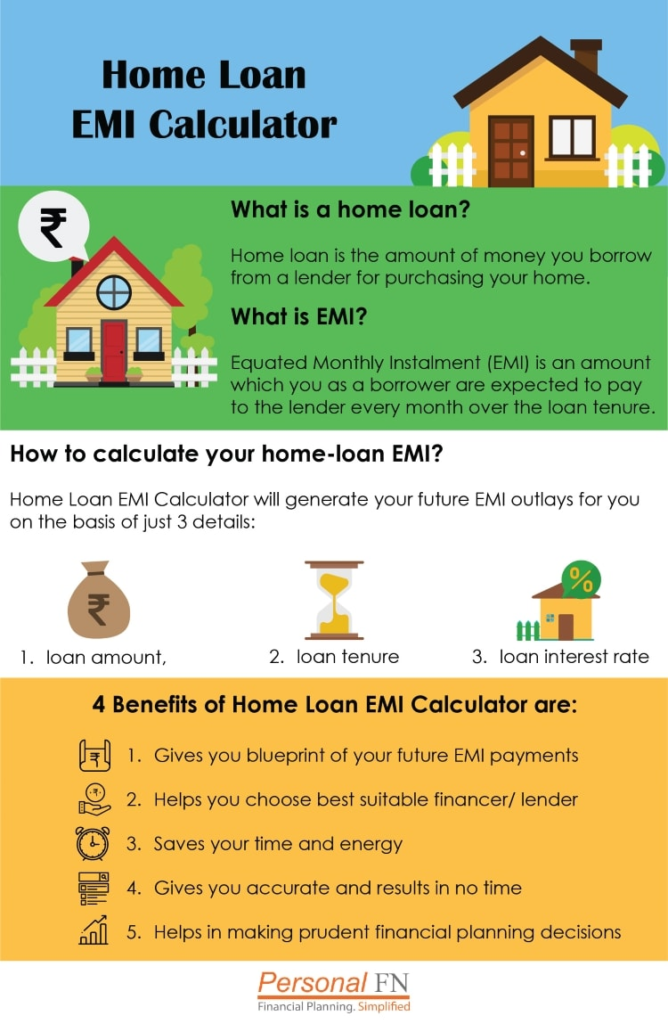
Real-Life Stories: Homeowners Who Benefited — and Those Who Didn’t
Case 1: The Rate Drop That Paid Off
Sarah’s 30-year mortgage was at 7.5%. Five years later, rates dropped to 6%, and she refinanced. The 1.5% reduction saved her approximately $250 per month, or over $30,000 over 10 years. Her long-term stay and remaining loan term made refinancing financially worthwhile.
Case 2: Low Rate — But Short Stay = No Win
John and Maya refinanced from 7% to 6.3%. Three years later, a job relocation forced them to sell their home. Closing costs outweighed the modest savings, demonstrating how a rate drop alone does not guarantee benefit.
Case 3: Shorter Term Pays Off
Lisa and Brian refinanced to a 15-year loan when rates fell. Though monthly payments increased, they would save tens of thousands in interest and pay off their home sooner. Their discipline in managing higher payments made the refinance a smart long-term strategy.
Why Experts Are Divided
Experts disagree on refinancing strategy because individual circumstances vary widely:
- Closing costs and hidden fees: Can erode potential savings. (Kiplinger)
- Resetting amortization: For those far into a loan, refinancing can increase total interest over time. (Investopedia)
- Break-even period: Moving or selling too soon can eliminate net benefit. (Mortgage.com)
- Refinancing burnout: Homeowners who refinanced previously may see diminishing returns. (Wikipedia)
- Credit profile and loan-to-value considerations: Not everyone qualifies for better rates. (The Mortgage Reports)
Questions Homeowners Should Ask Before Refinancing
- How much lower is the new rate — is it meaningful (0.5%, 1%, 2%)?
- What are the total refinancing costs?
- How long will I stay in my home?
- Will refinancing reset amortization and extend total interest payments?
- Do I want a shorter term or lower monthly payment?
- Has my financial profile improved since the original loan?
- Are there hidden costs like mortgage insurance?
- Will refinancing impact my credit score?
Trending FAQs About Refinancing
1. If rates are low, is refinancing always a good idea?
No. Savings depend on fees, term, and your expected homeownership horizon.
2. How much of a rate drop justifies refinancing?
Typically 0.5%–1% is considered meaningful. (Webster First)
3. How long does it take to break even?
Depends on costs and savings — usually several years.
4. Does refinancing always lower total interest paid?
Not if the loan term is extended. (Investopedia)
5. Should I refinance to switch from adjustable to fixed-rate?
Yes, if rate stability is a priority. (HDFC)
6. Can refinancing reduce monthly payments?
Yes — but ensure the long-term cost and amortization reset are acceptable.
7. Is a cash-out refinance advisable?
It can be, but beware of increasing total debt and interest costs. (Bankrate)
8. Does refinancing affect credit score?
Yes — hard inquiry and new loan can temporarily lower your credit score.
9. Are there alternatives to refinancing?
Loan modification, repricing, or a HELOC can achieve some benefits without a full refinance. (DBS)
10. How do I determine if refinancing is worth it?
Use a refinance calculator to factor rates, fees, loan balance, and planned time in home. (Fannie Mae)
Practical Refinance Checklist
- 📊 Calculate potential savings, break-even point, and total interest.
- 🏠 Determine your expected home-stay horizon.
- 🔁 Compare loan terms and amortization effects.
- 💡 Check credit score and loan-to-value ratio.
- 🧮 Factor in all costs, including hidden fees and PMI.
- 📅 Consider refinancing to shorten the term, not just lower payments.
- 💭 Evaluate non-rate motivations, such as switching to fixed-rate or accessing equity.
Why Experts Remain Divided
Refinancing decisions depend on timing, loan profile, and personal goals. Some experts emphasize immediate savings from low rates, while others caution that fees, amortization resets, and short-term moves may negate benefits. Data shows refinancing helps early in the mortgage but yields diminishing returns for long-term homeowners with minimal rate drops (Consumer Finance).
Final Thoughts
A low mortgage rate is tempting, but refinancing should be a strategic financial decision, not a reflex. Analyze costs, amortization, rate reductions, and your homeownership timeline. Done carefully, refinancing can save thousands, shorten loan terms, or provide rate stability. Done carelessly, it may increase total interest and extend debt.