

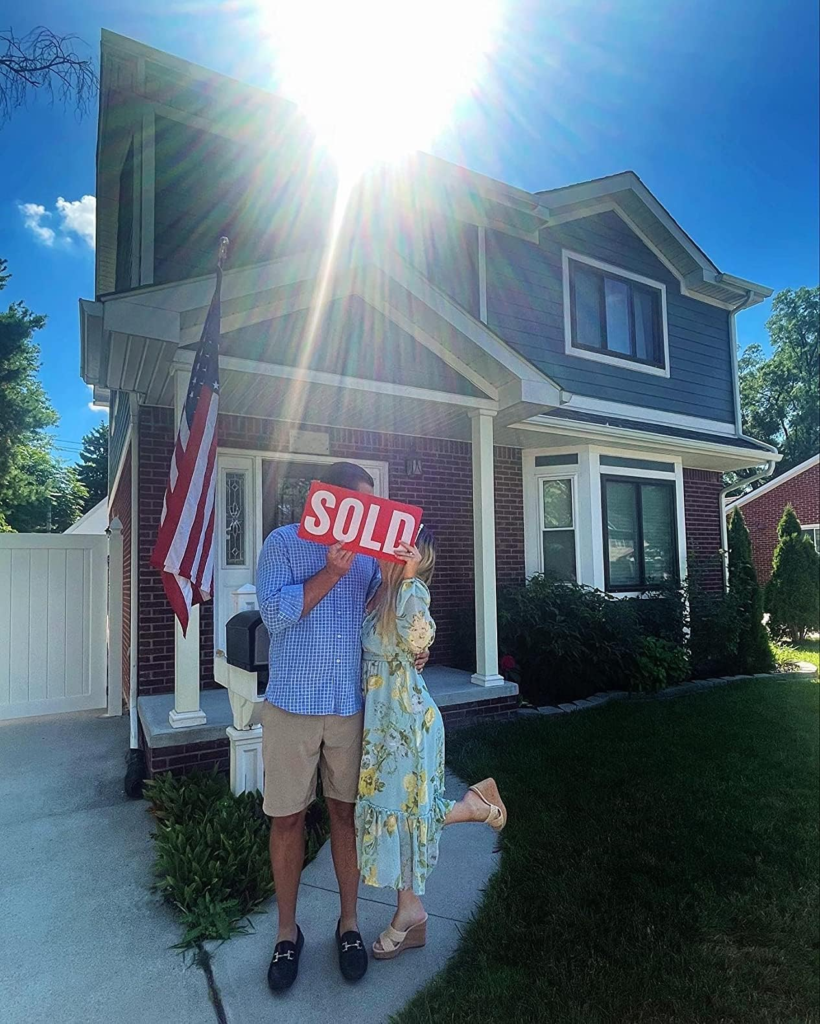
Buying your first home is a major life moment—full of excitement, anticipation, and the sense that you are finally entering “real adulthood.” But homeownership is also one of the easiest ways to make expensive mistakes. Without experience, knowledge, and caution, first-time buyers often walk into financial traps, legal risks, and emotional stress they never expected.
This article reveals shocking true stories from first-time buyers, the hidden costs and problems they never saw coming, and the key lessons that can help YOU avoid their pain.
1. The Inspection Didn’t Catch Everything — The Hidden Damage Trap
Many first-time buyers assume the home inspection is a guarantee that all issues will be uncovered. The truth is that inspections are limited and visual only.
Inspectors typically do not:
- open walls
- inspect inside pipes
- detect mold behind drywall
- check underground sewer conditions
- pull up flooring or tile
Real Story:
A couple bought a home built in 1988. The inspection said “no major issues.” Six months later they discovered:
- extensive mold
- outdated electrical wiring
- hidden water damage
Cost of repairs: $22,000
They weren’t misled — they simply misunderstood what inspections cover.
Lesson:
- Get specialized inspections
- Never assume “all clear” means perfect
- Always budget for post-purchase surprises
2. You’ll Pay More Than Just Your Mortgage — The Ownership Cost Shock
Many renters believe that switching to a mortgage simply changes who they pay, not how much they pay.
But homeownership comes with recurring costs beyond the mortgage, including:
- property taxes
- homeowner’s insurance
- HOA fees
- landscaping
- appliance repairs
- structural repairs
- pest control
- utility variations
- emergency replacements

Real Story:
A buyer in Texas thought he was saving money moving from $1,700 rent to a $1,550 mortgage. But after property tax increases and insurance costs, he ended up paying $2,450 per month.
Lesson:
- Mortgage ≠ total cost
- Budget realistically for ownership
- Expect costs to increase over time
3. Don’t Fall in Love Too Soon — The Emotional Blindness Factor
Buying a house feels emotional — it’s shelter, pride, achievement. But emotional attachment can cloud logic.
Psychological traps include:
- “This is OUR home!”
- “We HAVE to win the bidding war!”
- “We can’t lose this house!”
- “We’ll fix everything later!”
Real Story:
A woman in California paid $25,000 over asking because she “felt connected to the house.” Months later she discovered $30,000 of structural issues.
Lesson:
- Don’t get emotionally attached
- Be willing to walk away
- Treat the purchase like a business transaction
4. Homeownership Requires Time AND Energy — Not Just Money
Renting is convenient. Owning is demanding.
As a renter, you call maintenance.
As a homeowner, you become the maintenance.
Homeowners often must:
- research contractors
- get quotes
- schedule repair times
- manage unexpected problems
- inspect work
- handle disputes
- coordinate logistics
Real Quote:
“I didn’t just buy a home — I bought responsibility.”
Lesson:
- Homeownership is a time commitment
- Maintenance is continual
- Expect weekend projects & surprise problems
5. Everyone Has Advice — and Most of It Is Wrong
Parents, friends, coworkers, and even strangers love giving home-buying advice — but most are basing it on a different market or different life circumstances.
- “Real estate always goes up.”
- “You should stretch for a bigger home.”
- “Don’t wait—buy now.”
- “You’re wasting money renting!”
But these statements are not universal truths.
Lesson:
- Don’t rely on outdated or emotional advice
- Follow data, not opinions
- Today’s market conditions are unique
6. The Fixer-Upper Fantasy — The Renovation Trap
The idea of buying a cheap house and “just fixing it up” is seductive—thanks to DIY shows and social media.
But renovation reality often includes:
- supply shortages
- labor shortages
- structural surprises
- permit issues
- cost overruns
- delayed timelines
Real Story:
A buyer planned $20K in upgrades. Final cost? $74,000
Lesson:
- Renovation estimates are usually low
- DIY labor is not always realistic
- Old homes hide old problems
7. Interest Rates Matter More Than You Think
The price of the home matters — but interest rates often matter MORE over time.
Example:
| Home Price | Rate | Monthly Payment | Total 30-Year Cost |
| $350,000 | 3% | $1,476 | $531,360 |
| $300,000 | 7% | $1,996 | $718,560 |
Cheaper house, higher rate = more total cost.
Lesson:
- Don’t obsess over price alone
- Financing terms affect lifetime cost
- Refinancing later can save thousands
8. HOAs Can Be Helpful — OR Horrible
Homeowner Associations can improve neighborhood maintenance — or behave like tyrants.
An HOA can dictate:
- home exterior colors
- fence height
- parking rules
- landscaping style
- mailbox design
- even the type of window curtains
Lesson:
- Read HOA bylaws carefully
- Talk to current residents
- Understand enforcement history
9. A House is NOT Automatically a Wealth-Building Tool
People say owning a home builds equity. True—sometimes.
It depends on:
- location
- market stability
- purchase timing
- resale potential
- maintenance costs
- property taxes
Real Story:
A buyer purchased in a shrinking town where housing demand collapsed. After three years, they had negative equity — owing more than the home’s worth.
Lesson:
- Homes are not guaranteed investments
- Choose location wisely
- Don’t buy based on blind optimism
10. Your First Home Doesn’t Need to Be Your Forever Home
Many buyers think their first home must meet long-term needs and future plans.
Better strategy:
Buy something affordable and manageable.
Use it as a stepping stone:
Small home → Equity → Upgrade later
Lesson:
- Start small
- Buy modest
- Plan for long-term mobility

Top 10 FAQs About First-Time Homebuyer Lessons
1. What’s the most common mistake first-time homebuyers make?
Letting emotions override budget and logical decision-making.
2. Is buying at the top of my budget a bad idea?
Yes — it leaves no room for emergencies, repairs, or rate changes.
3. How much should I keep in cash savings after buying?
Ideally 3–6 months of living expenses plus a home repair fund.
4. Can I rely solely on a standard inspection?
No — get specialty inspections if the home requires it.
5. Are fixer-uppers worth it?
Only if you have realistic renovation expectations, time, and financial margin.
6. Is renting really “throwing money away”?
No — renting buys flexibility and reduces maintenance responsibility.
7. Do interest rates really matter that much?
Yes — they can dramatically increase total lifetime cost.
8. Should I consider resale value before buying?
Always — even if you think you’ll live there forever.
9. How long should I plan to stay in my first home?
Typically 5–7 years to build equity and offset closing costs.
10. Should I ignore the HOA warnings if I love the house?
No — HOAs can significantly affect lifestyle and expenses.
Final Thought
Your first home should be a step forward—not a financial or emotional trap. Don’t rush, don’t overspend, don’t get emotionally manipulated, and don’t let pressure push you into a commitment you’re not ready for. The smartest homeowners learn before buying — not after.