

Millions of Americans are leaving major cities and relocating to the suburbs in search of affordability, space, safety, and improved quality of life. With remote work accelerating this shift and housing costs hitting record highs in urban centers, suburban markets are experiencing unprecedented demand. This article explains the reasons behind this trend, backed by data, real-life examples, and insights into what the future of suburban living looks like.
Introduction: The Great American Migration to the Suburbs Is Not Slowing Down
The American housing landscape is undergoing a transformation unlike anything seen in decades. What began during the pandemic as a temporary escape from crowded urban environments has evolved into a long-term migration pattern: city dwellers are moving to the suburbs in record numbers.
According to the U.S. Census Bureau, over 3.4 million people have relocated from major urban cores to suburban or exurban communities between 2020 and 2024. Redfin reports that one in every three homebuyers searches for a home outside their current metro area—a level of relocation not seen since the post-war era.
This massive shift is reshaping home prices, development patterns, school systems, job markets, and even the future of downtown business districts. Suburbs, once considered “sleepy commuter towns,” are now emerging as the hottest real-estate trend in America.
But why exactly are so many city residents packing their bags?
And what does the data really show about this suburban surge?
Let’s break it down.
Why Are City Dwellers Leaving? The Data Behind the Trend
Americans aren’t just leaving cities—they’re redefining what “home” means. The motivations vary by age, income, and lifestyle, but the overarching theme is clear: the cost-benefit equation of city living no longer works for millions of people.
Below are the top reasons supported by data, expert insights, and real-world examples.
1. Affordability: The #1 Reason People Are Leaving Cities
Urban housing costs are rising faster than suburban incomes can keep up. The National Association of Realtors reports that housing affordability is at a 38-year low, driven by soaring rents, rising mortgage rates, and limited inventory.
Urban vs. Suburban Cost Comparison (2024)
- San Francisco median home price: $1.3M
- Austin suburb median home price: $470K
- Charlotte suburb median home price: $420K
- Tampa suburb median home price: $410K
For many households, the choice is simple:
rent a cramped city apartment or own a spacious suburban home.
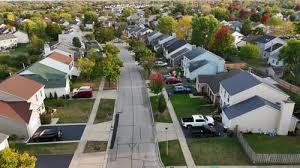
2. Remote Work Has Permanently Changed Housing Choices
Remote and hybrid work are here to stay. A Stanford study shows 28–31% of all U.S. workdays are now remote, allowing employees to live farther from corporate headquarters.
Americans want:
- Larger homes
- Dedicated office space
- Outdoor areas
- Quiet environments
- Lower daily expenses
Many workers realized they did not need to stay in expensive cities to keep their jobs.
Real-Life Example
A Brooklyn couple earning $140K combined moved to a suburb near Charlotte, bought a 4-bedroom home, and reduced their monthly expenses by 42%—while gaining more space, safety, and community.
3. Space, Privacy & Quality of Life Matter More Than Ever
After years of small apartments, shared walls, limited outdoor space, and urban congestion, Americans are prioritizing:
- Bigger homes
- Private backyards
- Quiet streets
- Neighborhood amenities
- Community connectivity
Zillow surveys show that 70% of millennials prefer larger, suburban homes over urban apartments, even if it means a longer commute.
4. Rising Concerns About Crime and Safety
While crime rates vary widely from city to city, public perception is influential.
Redfin reports that 34% of movers cite crime or safety concerns as a key motivator.
Parents especially prioritize:
- Safer neighborhoods
- Lower crime rates
- Community policing
- More stable school environments
5. Better School Districts and Family-Friendly Environments
Suburban school districts are known for higher performance, lower student-teacher ratios, and more extracurricular resources.
Parents consistently list education as a top reason for leaving city centers.
Benefits driving families toward suburbs:
- Higher academic scores
- Stronger sports and arts programs
- Parent-involved communities
- Access to parks and playgrounds
6. Taxes, Insurance, and Cost of Living Are Lower in Many Suburbs
Urban dwellers often leave cities to reduce expenses tied to:
- High property taxes
- Elevated insurance premiums
- Higher transportation costs
- Costly utilities and services
States such as Texas, Florida, Tennessee, Arizona, and North Carolina are gaining residents because they offer a more favorable financial environment compared to cities like New York, Los Angeles, and Chicago.
7. Builders Are Prioritizing Suburban Developments
Due to limited land and restrictive zoning laws in cities, new construction is booming in suburbs.
According to NAHB:
- 65%+ of new single-family homes were built in suburban counties in 2023–2024
- Suburban inventory growth outpaced urban development 3:1
Developers are meeting demand exactly where it’s growing.
What Types of Suburbs Are Growing the Fastest?
Not all suburbs are the same. Some are transforming into mini-metropolises, while others remain escape zones for remote workers.
1. Remote-Work Suburbs (“Zoom Towns”)
Example hotspots:
- Boise, ID
- Bend, OR
- Asheville, NC
These attract younger professionals seeking nature + affordability.
2. Sun Belt Suburbs
Examples:
- Tampa, FL
- Austin, TX
- Charlotte & Raleigh, NC
Warm weather + low taxes = year-round demand.
3. Affordable Midwest Suburbs
Examples:
- Columbus, OH
- Indianapolis, IN
- Kansas City, MO
These areas offer stability + affordability + strong job markets.
4. Exurbs Outside Major Metros
Examples:
- Inland Empire (Los Angeles)
- Poconos (New York City)
- Frederick County (Washington DC)
These provide more space—while remaining reachable from city centers.
Why the Suburban Trend Will Continue Through 2030
This migration is not temporary. Multiple structural forces will sustain suburban popularity for the next decade:
Key Long-Term Drivers
- Millennials entering peak homebuying age
- Gen Z valuing affordability and space
- Remote work becoming standard
- Urban affordability crisis worsening
- Crime perception issues
- Public school system disparities
- Climate and environmental concerns pushing buyers inland
These forces are durable, demographic, and economically grounded.
Real-Life Case Study: A Family’s Big Move That Saved Them $22,000 a Year
The Martinez family lived in Los Angeles, paying $3,200/month for a two-bedroom apartment. After shifting to hybrid work, they realized they could relocate without sacrificing career opportunities.
They purchased a four-bedroom home in a Phoenix suburb at a mortgage payment lower than their old rent. They gained:
- A large yard
- A home office
- Safer community
- Strong local schools
- A lower cost of living
Their total yearly savings?
Over $22,000.
Their lifestyle improvement was “life-changing,” according to the family.
Top Benefits of Suburban Life According to 2024–2025 Housing Data
Suburban Advantages (Condensed List)
- More living space
- Better affordability
- Quieter neighborhoods
- Safe streets
- Family-friendly infrastructure
- Higher-quality schools
- Lower taxes (in many states)
- Lower population density
- Outdoor access
- More new construction options
10+ Most Asked Questions About Americans Moving to Suburbs (FAQs)
1. Why are so many people leaving big cities?
Affordability, safety, remote work flexibility, and a desire for more space.
2. Are suburbs cheaper than cities?
Yes—typically 30–55% cheaper for comparable living space.
3. What suburbs are growing fastest?
Austin, Raleigh, Charlotte, Tampa, Phoenix, and Boise areas.
4. Is remote work the main reason for suburban migration?
It’s a major reason, but family needs and affordability are equally influential.
5. Are young people moving to suburbs too?
Yes—millennials and Gen Z drive most suburban demand.
6. Are suburban schools better?
Often, yes—especially regarding academic outcomes and safety.
7. Will suburbs remain popular through 2030?
Current trends point to continued suburban growth for at least a decade.
8. Are suburban homes a good investment?
Generally yes. Suburban properties have outperformed many city markets since 2020.
9. Are crime concerns fueling suburban migration?
Yes. Safety remains a top motivator, especially for families.
10. Are businesses expanding into suburbs too?
Yes—retail, medical centers, tech hubs, and entertainment facilities are following the population shift.
11. Will cities recover from population loss?
Some will, but affordability and crime concerns remain major hurdles.
Final Takeaway: Suburbs Are No Longer the Backup Plan—They Are the New American Standard
Suburbs are no longer simply commuter zones — they’ve become economic, cultural, and lifestyle hubs of their own. Millions of Americans are choosing stability, affordability, space, and community over urban congestion and rising costs.
With remote work empowering mobility and demographic changes reshaping demand, the suburban trend is not slowing—it’s accelerating into 2030 and beyond.
For buyers, sellers, investors, and families, understanding this shift is essential to making informed real-estate decisions.